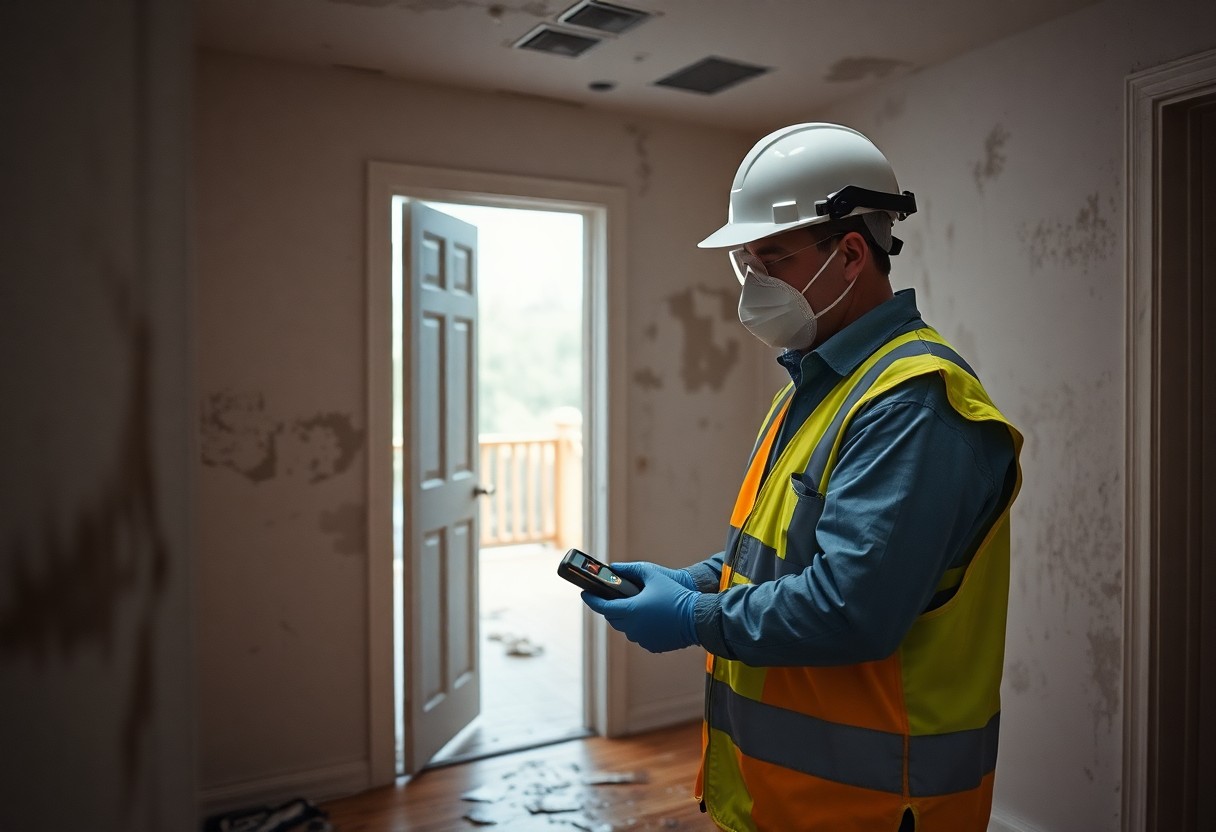

Mold can quickly become a serious issue following water damage, especially in the humid climate of Atlanta, Georgia. If you find yourself facing mold growth in your home, it's crucial to understand the complete remediation process to ensure a safe and healthy environment. In this guide, you'll learn the steps involved in professional mold remediation, from inspection and containment to removal and prevention, empowering you to take action at the first sign of trouble.
Key Takeaways:
- Assessment and Inspection: A thorough evaluation of the affected area is necessary to identify the extent of water damage and mold growth.
- Containment Procedures: Proper measures must be taken to contain and prevent the spread of mold spores during the remediation process.
- Post-Remediation Testing: After cleanup, follow-up testing is imperative to ensure that the mold has been completely removed and that the environment is safe.
Understanding Mold Remediation
For property owners in Atlanta, understanding mold remediation is vital, especially following water damage. This process involves identifying and removing mold, preventing its return. Engaging professionals ensures thorough inspection and application of safe techniques to protect your health and property.
Types of Mold Found in Water Damage Situations
Mold can grow quickly in water-damaged areas, and it's important to identify the different types that may be present. Common types include:
- Aspergillus
- Cladosporium
- Penicillium
- Stachybotrys (Black Mold)
- Alternaria
This variety of mold can affect your health, making swift remediation key.
| Aspergillus | Commonly found indoors, can trigger allergies. |
| Cladosporium | Often appears in damp areas, can cause respiratory issues. |
| Penicillium | Known for its blue-green coloration, can cause allergic reactions. |
| Stachybotrys (Black Mold) | Produces mycotoxins, associated with serious health concerns. |
| Alternaria | Often found in water-damaged carpets, can exacerbate asthma. |
Importance of Professional Mold Remediation
One of the most effective ways to deal with mold in your property is through professional mold remediation services. Engaging experts ensures that mold is effectively removed and reduces the likelihood of its return.
For instance, professionals use specialized tools and techniques to remove mold without further contaminating your home. They possess the knowledge to identify hidden mold, provide mold testing, and apply proper containment procedures, ensuring your environment remains safe and healthy. This thorough approach not only protects your property but also safeguards your family's well-being.
Step-by-Step Mold Remediation Process
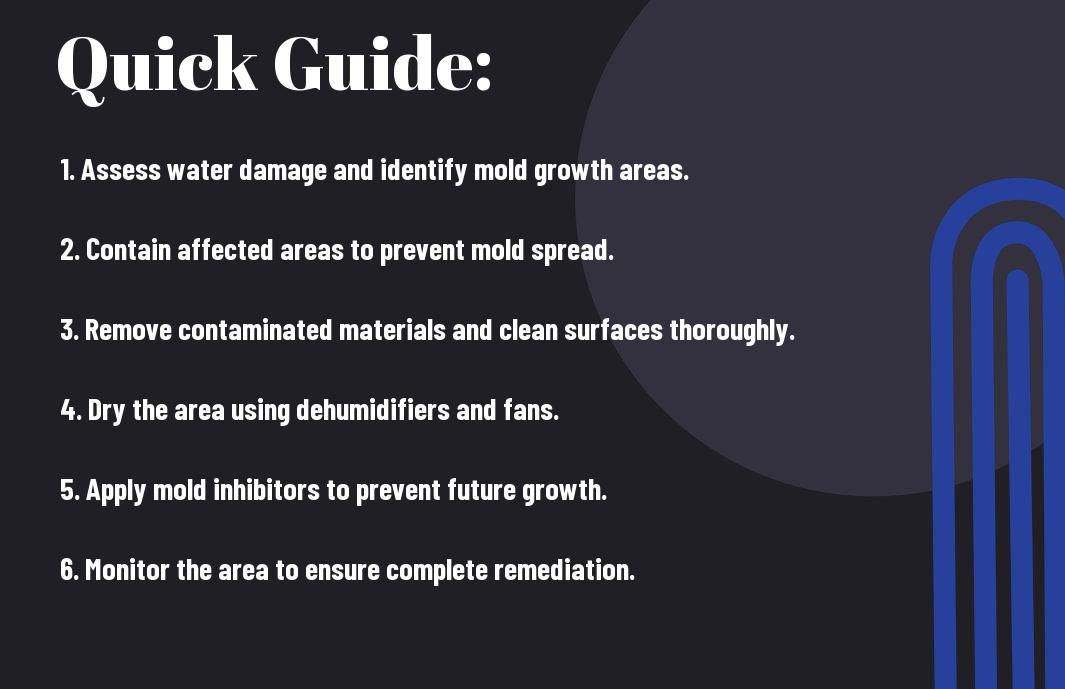
Clearly, a comprehensive mold remediation process involves several key steps to effectively address and eliminate mold growth after water damage. Below is a breakdown of each step in the process.
Step Description| Initial Assessment and Inspection | The first step is to conduct a thorough inspection of the affected area to determine the extent of the mold growth and water damage. |
| Containment and Preventing Spread | Now, it's necessary to contain the affected area to prevent mold spores from spreading to other parts of your home. |
| Removal of Affected Materials | Materials that are severely contaminated and cannot be salvaged must be properly removed from your space. |
| Cleaning and Disinfecting Surfaces | Materials like walls and furniture should be cleaned and disinfected to eliminate any remaining mold spores. |
| Drying and Dehumidification | Affected areas should be thoroughly dried and dehumidified to prevent future mold growth. |
| Final Inspection and Restoration | An inspection ensures that all mold has been removed and restoration can begin. |
Initial Assessment and Inspection
The first step involves examining your home to identify any visible mold and assess the extent of the water damage. This evaluation helps professionals develop a targeted remediation plan.
Containment and Preventing Spread
Now, it is vital to create a containment area around the affected region using plastic barriers and negative air pressure to prevent spores from spreading to unaffected areas.
Mold spores can easily become airborne, and thus containment is a key part of the process. Using specialized equipment, technicians will set up air scrubbers to filter these spores while sealing off the impacted space. This proactive approach is necessary for maintaining air quality during remediation.
Removal of Affected Materials
Materials that have been impacted significantly, such as carpets or drywall, must be safely removed from your home to eliminate mold sources.
Step-by-step removal involves carefully taking out materials without disturbing mold spores. This process often includes using protective gear and containing the debris to ensure that mold does not spread. The disposal follows specific guidelines to maintain safety and compliance.
Cleaning and Disinfecting Surfaces
Materials throughout your home will need to be thoroughly cleaned and disinfected, which helps in eliminating any mold remnants and spores.
Affected surfaces are treated with industrial-grade cleaners and biocides to ensure all traces of mold are removed. This cleaning process not only addresses current issues but also mitigates the risk of future mold growth. Attention to detail in this step is key for a successful remediation.
Drying and Dehumidification
Affected areas must be dried and dehumidified promptly to eliminate excess moisture that can foster mold regrowth.
Assessment of moisture levels in materials is critical. Professional-grade dehumidifiers and air movers work to lower humidity and expedite drying. This step is key in ensuring that mold does not return, as lingering moisture can lead to future problems.
Final Inspection and Restoration
An necessary part of the process involves conducting a final inspection to confirm mold is entirely eradicated and to assess any necessary restoration work.
For instance, this inspection may reveal areas needing repairs or further treatment. After verification of successful mold removal, the restoration phase begins, which may include rebuilding walls, replacing flooring, and ensuring your home is once again a safe and healthy environment.
Factors Influencing Mold Growth
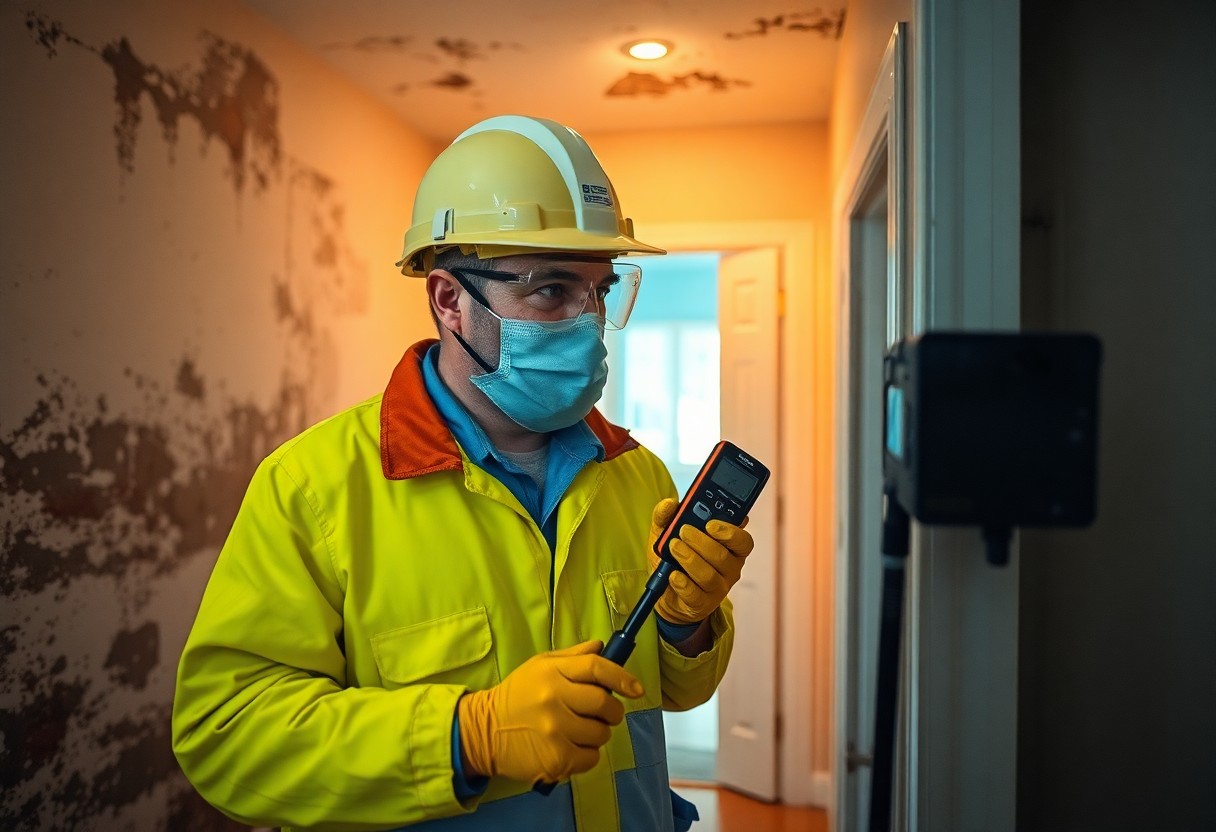
Your understanding of the various factors contributing to mold growth is imperative for effective remediation. Key influences include:
- Moisture levels
- Temperature and humidity
- Building materials
- Ventilation
Thou should keep these factors in mind to better manage and prevent mold issues.
Moisture Sources
Sources of moisture in your environment include leaks, flooding, and high humidity levels. These elements provide ideal conditions for mold to thrive, especially in areas prone to water damage.
Temperature and Humidity Levels
Some environments maintain temperatures and humidity levels conducive to mold growth. This table outlines the optimal conditions:
Mold Growth Conditions| Temperature Range (°F) | Humidity Level (%) |
| 77 - 86 | 60 - 80 |
The right temperature and humidity create a perfect breeding ground for mold. When your indoor humidity exceeds 60%, it promotes mold proliferation, reinforcing the need for proper control measures.
Building Materials and Ventilation
Materials used in your building and the ventilation present significantly affect mold growth. Organic materials like wood and drywall are particularly susceptible when they become damp.
Understanding the role of building materials and ventilation in mold growth can help you mitigate risks. Good ventilation reduces moisture levels, while using mold-resistant materials can minimize potential infestations, ensuring a safer living space.
Tips for Choosing a Mold Remediation Professional
Unlike choosing just any contractor, selecting a mold remediation professional requires careful consideration. Look for a service provider that meets the following criteria:
- Licensed and certified in mold remediation
- Experience in handling similar water damage situations
- Positive customer reviews and references
- Transparent communication and response times
Thou want to ensure you hire the best for your needs.
Checking Credentials and Experience
An effective mold remediation professional should have valid credentials and substantial experience in the field. You can confirm their certification, such as IICRC or similar affiliations, which are indicators of professionalism. Additionally, ask about their experience with specific types of mold and the techniques they employ for successful removal.
Importance of Written Estimates
Estimates should always be obtained in writing before the work begins. This protects you as it outlines the scope of work, materials needed, and costs involved. A detailed estimate can help you compare services and avoid unexpected charges later on.
Choosing a mold remediation professional with a written estimate allows you to set clear expectations and ensures transparency throughout the process. It also provides leverage in case there are discrepancies during the project, enabling you to hold the contractor accountable.
Ensuring Compliance with Local Regulations
Choosing a mold remediation expert means verifying their adherence to local regulations and guidelines. You should inquire about their understanding of state and local laws regarding mold removal and if they obtain necessary permits for the job. This compliance is necessary for your safety and to avoid future issues.
Compliance with local regulations not only ensures that your mold remediation is performed safely but also protects you from potential legal ramifications. Contractors familiar with these laws will know the appropriate procedures, ultimately providing peace of mind while safeguarding your property from further damage.
Pros and Cons of Professional Mold Remediation
To understand the value of professional mold remediation, it's important to weigh both the pros and cons. The following table summarizes key factors you should consider when deciding whether to hire experts for this task.
| Advantages | Drawbacks |
|---|---|
| Expert knowledge and experience | Higher costs compared to DIY |
| Thorough assessment and cleanup | Time-consuming process |
| Use of advanced equipment | Possible disruption to your home |
| Ensures safety and health | Dependence on third-party services |
| Prevention of future mold growth | Variance in service quality |
Advantages of Hiring Professionals
Little do many people know that hiring professionals for mold remediation can significantly streamline the process. Experts bring specialized training and the right tools to accurately identify and eliminate mold. Their experience helps ensure that underlying issues are addressed, reducing the chance of recurrence. Additionally, professionals can provide a safe environment for your family by effectively managing toxic spores during remediation.
Potential Drawbacks and Risks
Cons of hiring professionals for mold remediation include the financial investment required, which can be significant depending on the severity of the infestation. Moreover, the process can take time, temporarily disrupting your living conditions. There is also the risk of encountering varying levels of service quality depending on the company you choose, leading to potentially inadequate remediation if not properly vetted.
To mitigate these potential drawbacks, it is crucial to conduct thorough research on the remediation companies you consider. Look for reviews, certifications, and industry experience to ensure you select a provider who guarantees quality work. Ultimately, weighing the costs against the benefits can help you determine if professional mold remediation is the right option for your situation.
Maintenance and Prevention Strategies
All homeowners should implement effective maintenance and prevention strategies to mitigate the risk of mold growth after water damage. Regular upkeep not only safeguards your property but also promotes a healthier living environment. By addressing issues promptly and maintaining vigilance, you can significantly reduce the likelihood of mold reoccurrence, keeping your home safe and pristine.
Regular Inspections and Maintenance
Little investments in regular inspections and maintenance can yield significant long-term benefits. Frequently check areas prone to moisture, such as basements, attics, and bathrooms. Look for signs of leaks, water stains, or dampness, and address any issues immediately. By conducting routine inspections, you create a proactive approach to mold prevention, ultimately protecting your home.
Moisture Control Techniques
Clearly, controlling moisture is vital for preventing mold. Implementing effective moisture control techniques can significantly reduce the likelihood of mold developing in your home. Start by ensuring proper ventilation in areas that accumulate humidity, like kitchens and bathrooms. Use dehumidifiers in damp spaces and repair any leaks in plumbing or roofing right away. Regularly cleaning gutters and downspouts will also help divert water away from your foundation, thereby lowering moisture levels.
This proactive approach involves maintaining humidity levels below 60% within your home. You can achieve this by using exhaust fans when cooking or showering, sealing cracks in walls and windows, and insulating pipes to prevent condensation. Additionally, using moisture-absorbing materials, such as silica gel, in storage areas can further help control humidity. Ultimately, staying vigilant with these techniques will ensure a mold-free environment in your home.
To Wrap Up
With these considerations, you can effectively navigate the professional mold remediation process after water damage in Atlanta, Georgia 30306. By understanding the systematic approach to mold assessment, containment, and removal, you can safeguard your property and health. Engaging certified professionals ensures that your home is not only treated but also monitored to prevent future growth. Your attention to detail and proactive measures will contribute to a safe and healthy living environment.
Q: What are the initial steps involved in the mold remediation process after water damage?
A: The first steps in the mold remediation process after water damage in Atlanta, Georgia, involve assessing the extent of the water damage and identifying any visible mold growth. Professionals typically conduct a thorough inspection of the affected areas, using moisture detection tools to find hidden water sources. Once the extent of the problem is established, the area is secured to prevent further exposure and contamination. After this, a plan is developed that outlines the specific remediation procedures to be followed, which may include water extraction, drying, and dehumidification processes.
Q: How long does the mold remediation process typically take?
A: The duration of the mold remediation process can vary based on several factors, including the severity of the water damage, the size of the affected area, and the type of materials involved. Generally, the entire process can take anywhere from a few days to several weeks. Initial assessments and preparations may take several hours, followed by extensive drying and remediation, which can last from a couple of days to two weeks. The professionals will also conduct final testing to ensure that mold levels are back to normal, which can add additional time to the process. Open communication with the remediation team can provide more precise timelines specific to your situation.
Q: What should I do to prevent mold growth after water damage has been remediated?
A: After mold remediation has been completed, there are several steps you can take to prevent future mold growth in your home. First, ensure that any remaining moisture issues are addressed. This might involve fixing leaks, ensuring proper drainage around your property, and using dehumidifiers in humid areas. Second, maintain good ventilation, especially in commonly affected areas like bathrooms and kitchens, to reduce humidity levels. Regularly clean and inspect areas prone to moisture, and consider applying mildew-resistant products on surfaces if necessary. Keeping an eye on humidity levels and promptly addressing any signs of water intrusion will greatly aid in preventing mold reoccurrence.