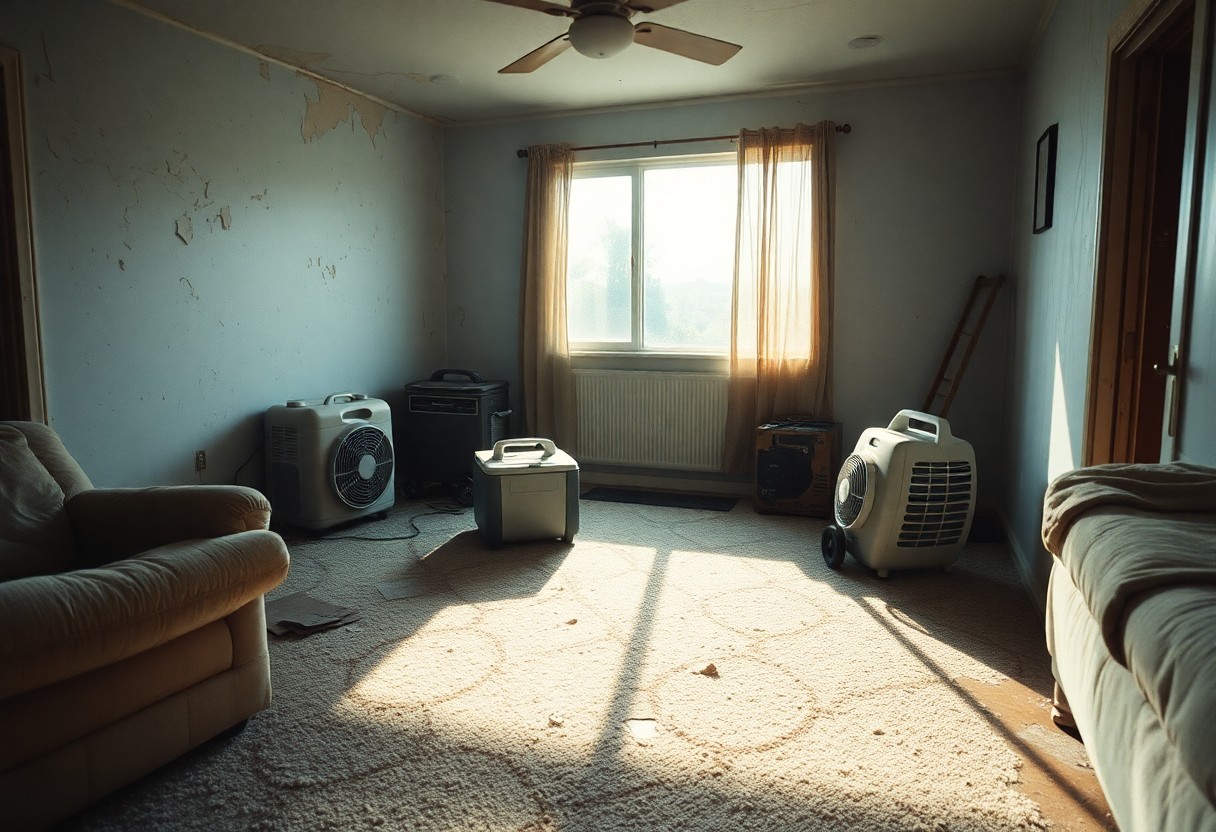

Many homeowners face the unexpected challenge of water damage, and understanding the potential costs involved can be daunting. This guide will equip you with expert price analysis to help you navigate water damage restoration expenses specific to Dallas, Texas 75201. You'll uncover vital factors that influence costs, from the extent of damage to the restoration process, ensuring you're well-prepared to make informed decisions for your property. By the end, you'll have a clearer picture of what to expect financially when disaster strikes.
Key Takeaways:
- Factors Influencing Cost: The overall cost of water damage restoration in Dallas, Texas, is determined by multiple factors including the extent of damage, the type of water involved, and the necessary repairs.
- Average Pricing: Homeowners can expect to pay between $3,000 to $8,000 for comprehensive water damage restoration services, depending on the severity of the incident and the required remediation efforts.
- Insurance Considerations: It is important for homeowners to check their insurance policies, as many may cover a portion of the restoration costs, significantly impacting out-of-pocket expenses.
Understanding Water Damage
Before you take action, it's important to understand the nature of water damage. This knowledge can significantly influence your decisions regarding restoration and prevention. Water damage not only affects the aesthetics of your home but also compromises its structural integrity and leads to potential health risks due to mold growth. Therefore, addressing water damage promptly is vital for maintaining a safe living environment.
Types of Water Damage
To categorize the water damage, consider the different sources it may originate from:
| Type | Description |
| Clean Water | From broken pipes or rainwater |
| Grey Water | From appliances or sinks |
| Black Water | From sewage or flooded areas |
| Natural Disasters | Flooding from hurricanes or storms |
- Clean Water
- Grey Water
- Black Water
- Natural Disasters
- Structural Damage
Any type of water damage requires immediate attention to prevent further complications.
Common Sources and Causes
The sources and causes of water damage can vary widely, undermining your home's foundation and decor. Common culprits include plumbing failures, appliance leaks, and natural disasters like flooding.
A range of problems contributes to water damage in your home. For instance, a leaking roof can lead to interior water issues, while burst pipes may result from various seasonal changes. It's also important to consider household appliances such as washing machines and refrigerators, which can malfunction and cause leaks. Lastly, weather events like heavy rain and floods pose significant risks, making awareness of these potential water damage sources imperative for homeowners.
Cost Factors in Water Damage Restoration
Some key factors influence the overall cost of water damage restoration in your home. Understanding these variables can help you prepare for potential expenses:
- Severity of damage
- Type of water involved
- Area affected
- Time taken for restoration
- Labor and materials required
After assessing these factors, you can better understand the potential costs you may incur.
Severity of Damage
The severity of the damage directly impacts the restoration costs. If water has entered your space for an extended period, it can result in extensive damage to your flooring, walls, and furnishings, leading to higher repair bills. Generally, minor leaks will cost significantly less to rectify compared to major flooding or structural issues that require professional intervention.
Type of Water Involved
One major determinant of the restoration cost is the type of water that caused the damage. There are three categories of water: clean water, gray water, and black water, each with different implications for treatment. Understanding these categories will guide you in addressing the damage appropriately.
Cost estimates vary significantly based on the type of water involved. Clean water from broken pipes or rain is typically less expensive to treat than gray water, which may contain contaminants from appliances, or black water, which contains dangerous bacteria and pathogens. If you're dealing with gray or black water, you may face higher costs due to specialized cleaning efforts and the need for personal protective equipment, increasing your overall expenses.
Detailed Restoration Process
Once again, understanding the detailed restoration process is important for homeowners facing water damage. This includes assessing the extent of the damage, removing standing water, drying the area thoroughly, and repairing any structural issues. Each step must be executed carefully to ensure your home is fully restored and protected from future problems.
Step-by-Step Restoration Guide
Assuming you are ready to engage in the restoration process, here's a breakdown of the important steps:
| 1. Initial Damage Assessment | Evaluate affected areas and classify the damage. |
| 2. Water Extraction | Remove standing water using pumps and vacuums. |
| 3. Dry Out | Utilize dehumidifiers and fans to dry the space. |
| 4. Cleaning and Sanitizing | Use appropriate solutions to disinfect affected areas. |
| 5. Repair and Restoration | Fix structural damage, replace flooring, and repaint. |
Importance of Timely Action
On addressing water damage swiftly, you can significantly reduce the extent of the destruction, leading to lower restoration costs and improved outcomes. Delaying the process can foster mold growth and structural decline, worsening your situation.
To safeguard your home and finances, taking prompt action is key when dealing with water damage. Each hour that passes can escalate the problem, impacting both your home's integrity and your health. Engaging professionals to initiate the restoration process at the first signs of water damage is important for minimizing long-term effects and ensuring a clean, safe living environment.
Tips for Homeowners
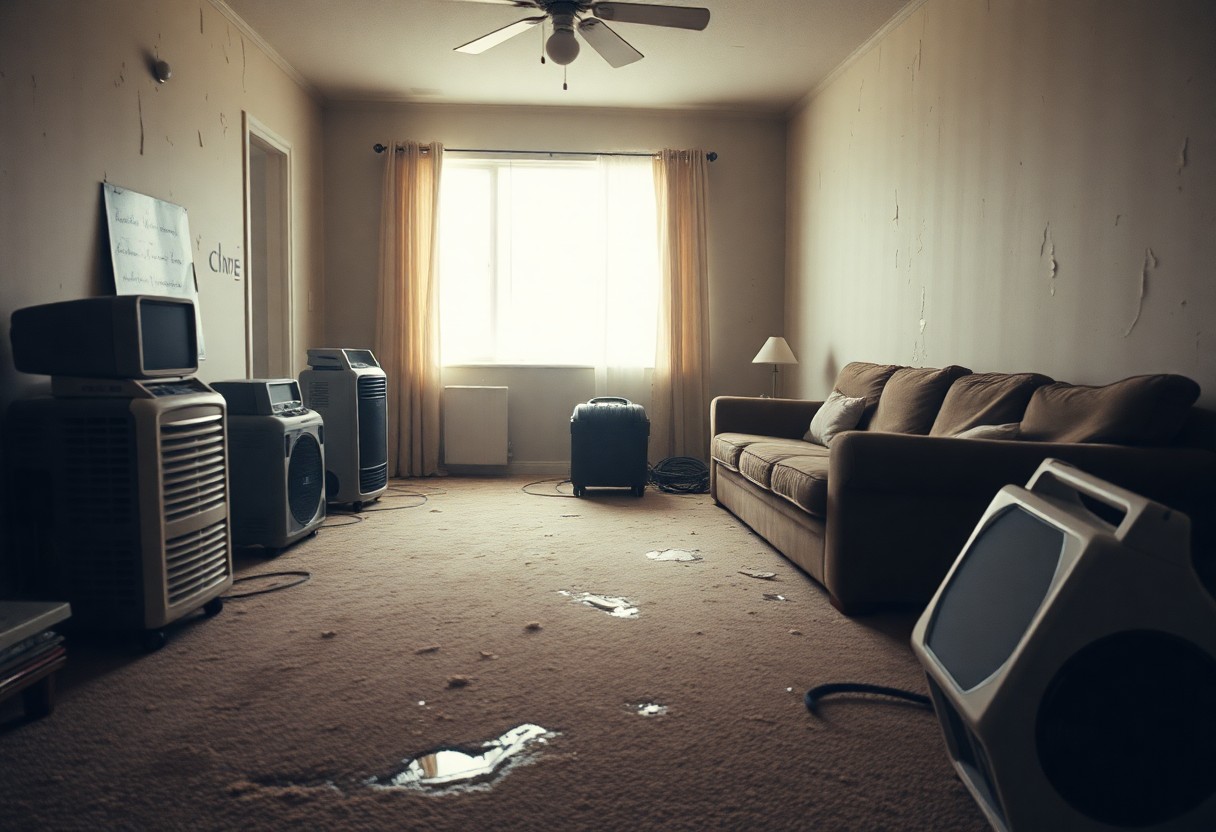
To effectively manage water damage in your home, consider these important tips:
- Act quickly to minimize damage.
- Document the damage with photos for insurance claims.
- Shut off the water source if possible.
- Contact your insurance provider to understand coverage.
Recognizing the importance of prompt action can save you both time and money.
Preventative Measures
For homeowners, implementing preventative measures can help reduce the risk of water damage. Regularly inspect your plumbing, maintain your roof, and ensure proper drainage away from your foundation. Additionally, consider investing in water leak detection systems and sump pumps to protect your property.
Choosing a Restoration Service
While it may be tempting to go with the first water damage restoration service you find, take the time to research. Check reviews, ask for referrals, and ensure they are licensed and insured to handle your specific issue. Understanding the qualifications and reputation of the service you choose can significantly impact the restoration process.
Choosing the right restoration service involves careful consideration of several factors. Look for companies with experience in dealing with water damage specifically and those that provide a clear outline of their processes and pricing. It's beneficial to receive estimates from multiple providers to compare services and understand what each offers. Ensure they use state-of-the-art equipment and have certified technicians to guarantee quality restoration and compliance with local regulations.
Pros and Cons of DIY vs. Professional Restoration
Keep in mind that considering DIY restoration versus hiring professionals often involves weighing the pros and cons. Below is a breakdown that may help you make an informed decision.
| Pros | Cons |
|---|---|
| Cost savings | Potential for inadequate restoration |
| Control over the process | Time-consuming efforts |
| Learning experience | Risk of further damage |
| Use of personal tools | Health and safety hazards |
| Flexibility in timing | Limited expertise |
Benefits of Professional Help
Even though professional restoration may require a higher initial investment, it provides expertise and specialized equipment that ensures thorough damage assessment and remediation. Professionals are trained to handle complex situations and can often restore your property faster than you can on your own, minimizing further issues, such as mold growth.
Risks of DIY Approaches
One of the significant risks of DIY restoration is the potential for oversights that could lead to more extensive damage or health risks. You might not identify hidden areas where water has penetrated, allowing mold or structural issues to develop over time.
This lack of experience can also lead you to use improper techniques or materials, prolonging the process or even resulting in safety hazards. If water damage has affected electrical systems or structural components, your DIY efforts could inadvertently create dangerous situations that require professional intervention anyway, which may end up costing you more – both financially and in terms of your safety.
Insurance Considerations
After experiencing water damage, understanding your insurance policy is important for minimizing out-of-pocket expenses. Knowing what coverage is available can significantly impact your restoration cost and help you navigate the claims process more effectively.
Coverage for Water Damage
There's a chance that your homeowner's insurance may cover various types of water damage, depending on the cause. Typically, sudden and accidental incidents like burst pipes are covered, while flood damage often requires separate flood insurance policies.
Filing a Claim
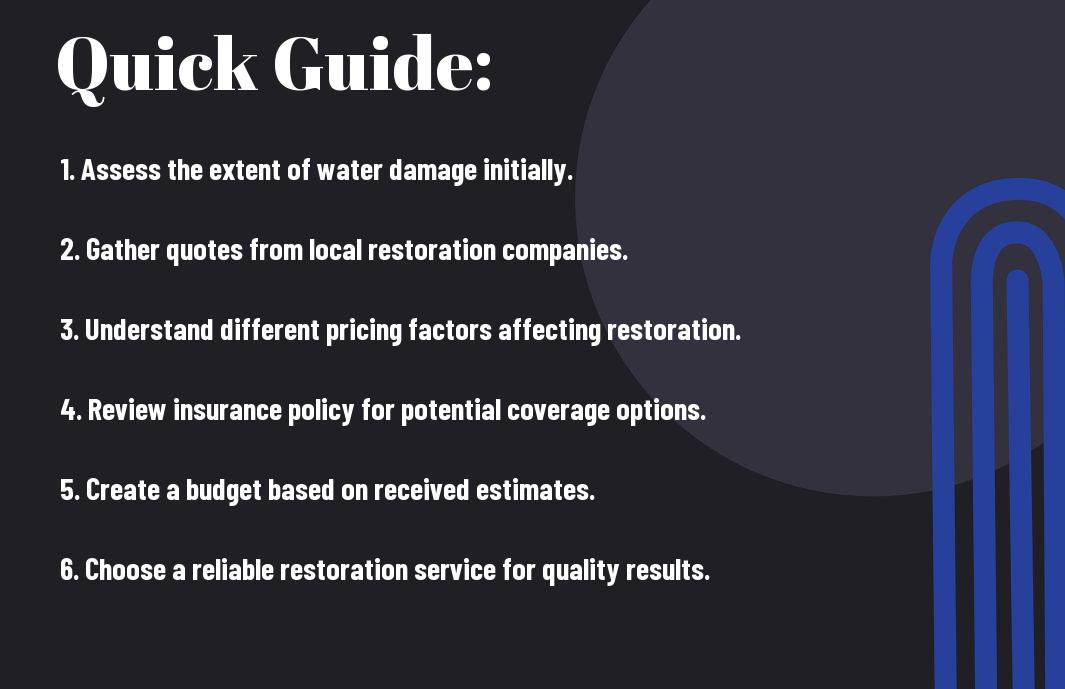
To file a claim, you will need to document the damage, gather any necessary information, and contact your insurance provider promptly.
Plus, be thorough in your documentation by taking photographs and keeping receipts for any repairs or emergency services you've already engaged. Your insurance adjuster will rely on this information to assess the situation and determine your claim's eligibility and value. The sooner you file, the better your chances of receiving timely assistance, so act promptly to ensure you get the coverage you deserve.
Final Words
Ultimately, understanding the factors affecting water damage restoration costs in Dallas, Texas, empowers you to make informed decisions for your home. By considering the extent of the damage, the type of materials affected, and the services required, you can anticipate expenses and budget accordingly. Consulting with professionals ensures you receive accurate estimates, improving your chances of a successful restoration process. Take proactive steps to protect your property, and you'll be better prepared to address any water damage efficiently and cost-effectively.
Q: What factors influence the cost of water damage restoration in Dallas, Texas 75201?
A: Several factors can impact the overall cost of water damage restoration, including the extent of the damage, the cause of the water intrusion, the size of the affected area, and the type of materials that need to be replaced or repaired. Additional considerations may include the use of specialized equipment and the duration of the restoration process. Costs may also vary depending on whether the restoration is needed for a residential or commercial property.
Q: How can homeowners in Dallas estimate their potential water damage restoration costs?
A: Homeowners can estimate water damage restoration costs by assessing the severity of the damage and consulting with local restoration professionals for on-site evaluations. Many restoration companies also provide free estimates, allowing homeowners to compare different service providers. Additionally, obtaining information about the average costs per square foot for water restoration in the Dallas area can be helpful in formulating an estimate.
Q: Are there any insurance considerations for water damage restoration costs in Dallas?
A: Yes, homeowners should check their insurance policy for coverage related to water damage. Some policies may cover a portion of the restoration costs if the water damage was caused by a covered peril, such as a burst pipe or storm damage. When filing a claim, it is necessary to document the damage thoroughly and retain all invoices related to the restoration process. Additionally, contacting your insurance provider for guidance on the claims process can help ensure you maximize your coverage benefits.