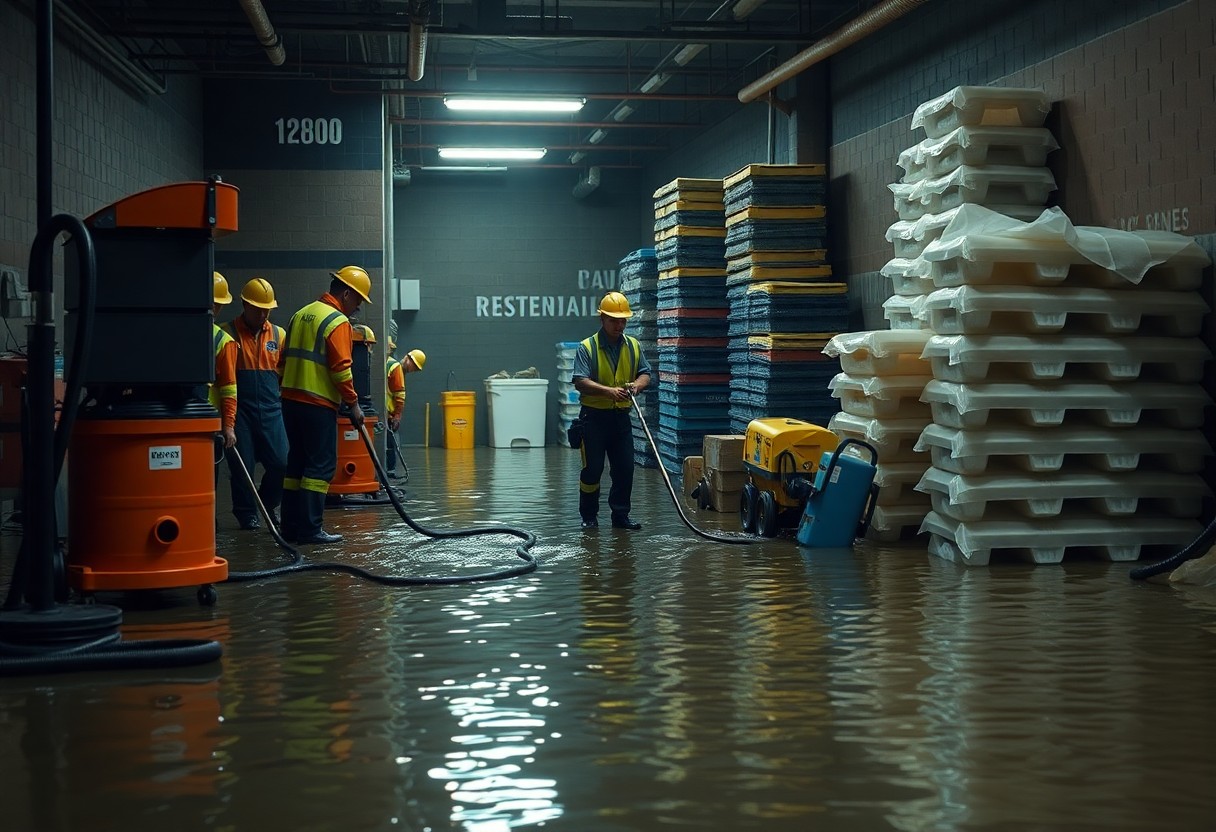

Over time, basement floods can lead to significant damage if not addressed promptly. In this guide, you will learn about the various cleanup services available in Denver, Colorado 80204, including their response times and processes for effectively handling water damage. Understanding these services will empower you to take swift action should you find yourself in a flooding situation, ensuring your home is restored efficiently and safely.
Key Takeaways:
- Rapid Response Time: Basement flood cleanup services in Denver, Colorado 80204 prioritize quick response times to minimize damage and restore safety.
- Comprehensive Cleanup Process: The cleanup process involves water extraction, drying, and sanitization to ensure a thorough restoration of the affected area.
- Expert Support: Trained professionals are equipped to handle various flood scenarios, providing effective solutions to prevent future issues.
Types of Basement Flood Cleanup Services
For homeowners in Denver, understanding the various basement flood cleanup services available can help you make informed decisions during an emergency. Here are some options:
| Water Extraction | Removal of standing water using pumps and vacuums. |
| Drying and Dehumidification | Use of dryers and dehumidifiers to eliminate moisture. |
| Cleaning and Sanitizing | Thorough cleaning and disinfecting of affected areas. |
| Repair Services | Fixing structural damage caused by flooding. |
| Insurance Assistance | Help with insurance claims related to water damage. |
The right service can restore your basement to its pre-flood condition safely and effectively.
Professional Services
Now, opting for professional flood cleanup services ensures that you benefit from expert knowledge and equipment that you may not have access to. Trained technicians will quickly assess the situation, implement proper water removal techniques, and address any potential mold growth. Their experience can save you time and reduce the risk of future problems, allowing you peace of mind during stressful times.
DIY Cleanup Techniques
Now, if you prefer to tackle the cleanup yourself, certain DIY techniques can help you manage minor flooding situations. Start by ensuring it is safe to enter the basement, then remove furniture and other items from the water. You can use mops, buckets, and wet/dry vacuums to clear standing water. Additionally, drying the area thoroughly is important to prevent mold growth.
Basement flooding can be overwhelming, but with the right techniques, you can mitigate some damage. Make sure to wear protective gear, including gloves and masks, to protect yourself from contaminants. After removing the water, you can use fans and dehumidifiers to speed up the drying process. If the water contains chemicals or sewage, however, you should contact a professional for assistance to ensure your safety and health.
Tips for Effective Flood Cleanup
Some effective flood cleanup strategies can help you restore your home efficiently. Consider the following tips:
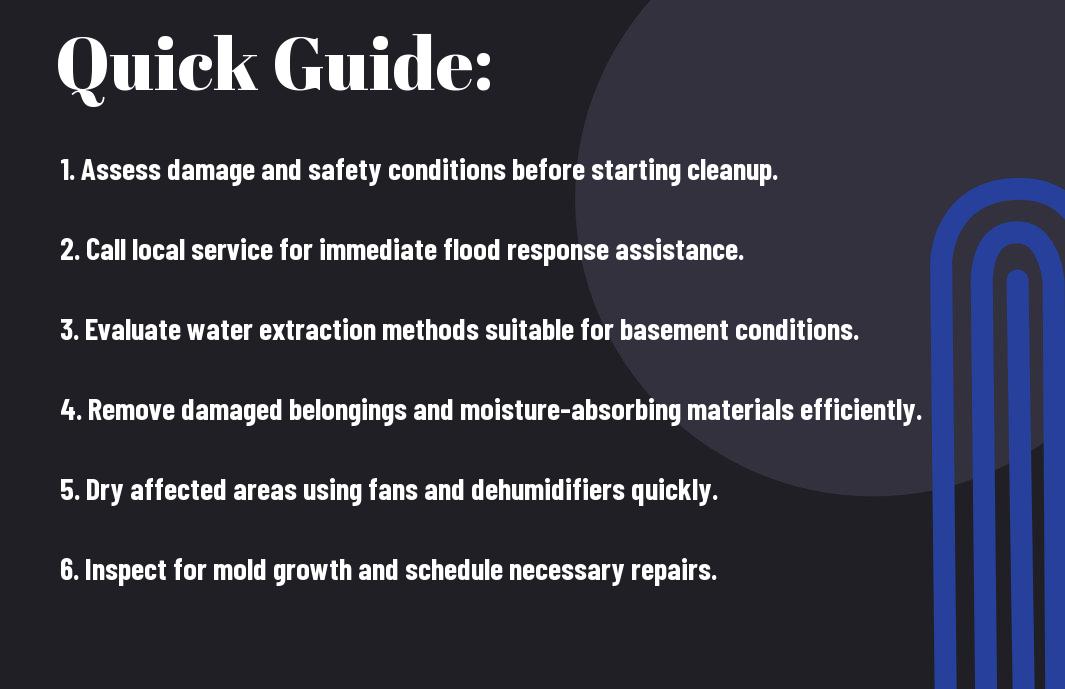
- Assess the damage before starting the cleanup.
- Remove all standing water quickly.
- Dry out the area to prevent mold growth.
- Sort through belongings and decide what to keep or discard.
- Document your losses for insurance claims.
Assume that thorough cleaning will take time, but following these methods will help you regain a safe living environment.
Safety Precautions
There's always a risk involved when dealing with flood cleanup. Ensure your safety by wearing protective gear like gloves and boots. Turn off electricity in affected areas to avoid electrocution. Ensure good ventilation to prevent inhaling hazardous particles or mold spores. Stay cautious of sharp objects and unstable structures, as they may cause injury.
Essential Tools and Supplies
Tools and supplies are vital for an effective flood cleanup process. You will need specific equipment to tackle the aftermath efficiently.
Essential items include pumps for water removal, wet/dry vacuums for small areas, fans and dehumidifiers for drying, and mold treatments to ensure your home remains safe. Also, have cleaning agents, buckets, and sturdy trash bags on hand to dispose of damaged materials. By gathering these tools upfront, you can minimize cleanup time and facilitate a smoother recovery process.
Step-by-Step Cleanup Process
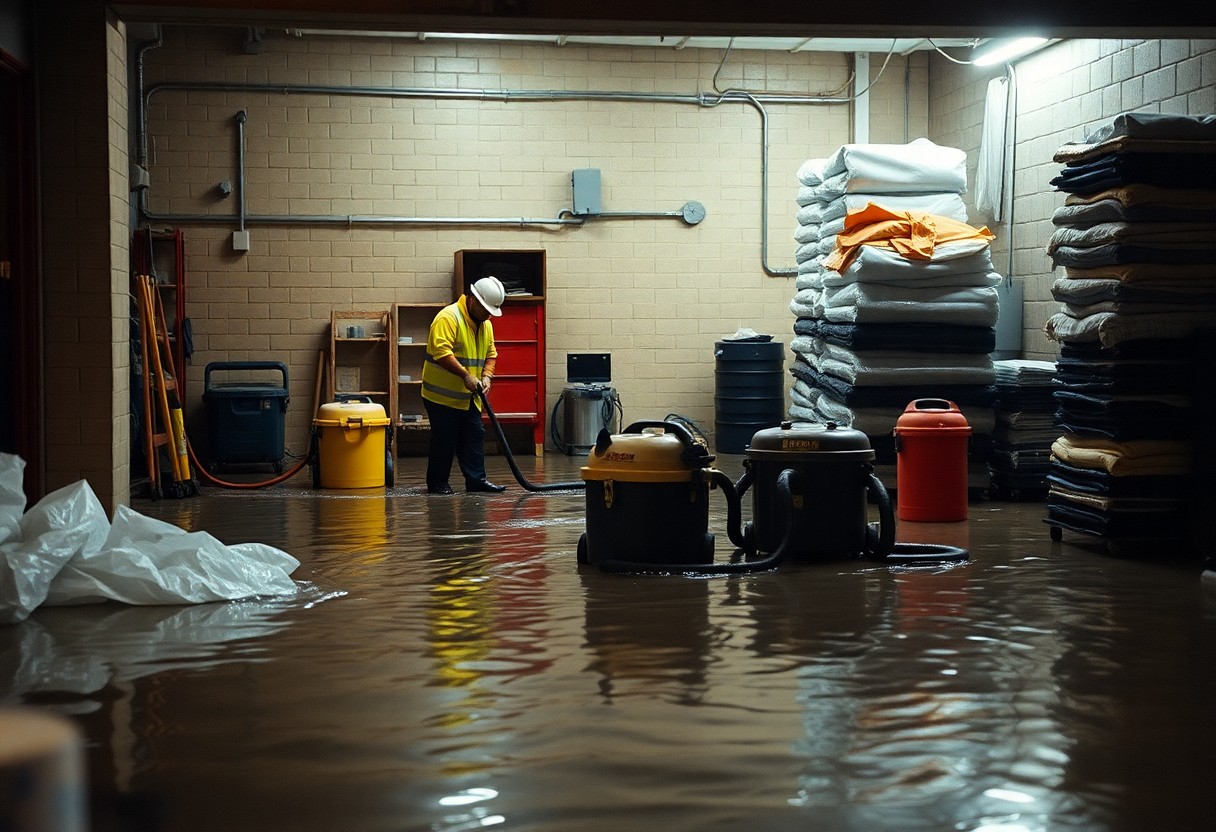
Despite the challenges presented by basement flooding, a structured cleanup process can restore your space efficiently. Below, we outline the crucial steps involved in the cleanup process:
Cleanup Process Steps| Step 1: Assessment and Planning | Step 2: Water Removal |
| Step 3: Drying and Dehumidifying | Step 4: Cleaning and Sanitizing |
| Step 5: Restoration and Repair |
Assessment and Planning
You should start by assessing the extent of the water damage. This involves identifying the source of water intrusion and determining the affected areas in your basement. Proper planning will help streamline the cleanup process and ensure that necessary precautions are taken to safeguard your property and health.
Water Removal
Step-by-step, the water removal process begins with extracting standing water using specialized pumps and vacuum systems.
This stage is vital as any stagnant water can lead to further damage and mold growth. Professionals will typically utilize high-powered pumps for significant volumes of water and wet/dry vacuums for smaller amounts, ensuring your basement is thoroughly cleared of moisture.
Drying and Dehumidifying
Dehumidifying equipment is then employed to eliminate any remaining moisture in your basement.
Understanding the importance of drying is crucial, as it halts the progression of water damage and prevents mold development. Utilizing industrial-strength dehumidifiers and fans will accelerate the drying process, ensuring all surfaces, including walls and flooring, are completely moisture-free.
Cleaning and Sanitizing
Step-by-step, once your basement is dry, it's time to clean and sanitize the affected areas thoroughly.
Planning for cleaning and sanitizing involves choosing appropriate products to eliminate bacteria, mold spores, and any contaminants. Make sure to focus on all surfaces that came into contact with water, as effective sanitation reduces health risks associated with mold and mildew.
Restoration and Repair
Even after cleaning, restoration and repair are necessary to bring your basement back to its original condition.
Removal of damaged materials, such as drywall or insulation, is often required before restoring your space. Once repairs are complete, you can begin to replace any structural components and redecorate, ensuring your basement is both functional and a safe environment once again.
Factors Affecting Response Time
Your basement flood cleanup service's response time can be influenced by various factors, including:
- Location of the flood
- Severity of the flooding
- Weather conditions
- Time of day
- Availability of resources
Perceiving these influences can help you understand what to expect during a flood emergency.
Weather Conditions
Clearly, adverse weather conditions like heavy rainfall or snow can increase the demand for cleanup services, which may delay response times for your specific situation.
Time of Day
An emergency's timing can significantly affect how quickly help arrives. Services may operate differently during peak hours compared to late-night calls.
For instance, if your basement floods in the early morning hours, fewer crews may be available, slowing down response time. Conversely, if the flood occurs during the day, more resources are typically on standby, allowing for quicker intervention. Being aware of these patterns can help you manage your expectations during such an emergency.
Availability of Resources
Resources also play a significant role in response time. The availability of manpower, equipment, and materials can directly impact how quickly the cleanup team arrives at your home.
Time can vary based on the service provider's current workload and the logistical challenges they may face. For example, if a flooding event affects multiple homes in your area, they may prioritize larger or more severely impacted properties, potentially leaving you waiting longer for assistance.
Pros and Cons of Hiring Professionals
After weighing your options, hiring professionals for basement flood cleanup has notable benefits and drawbacks. Here's a quick comparison to help you make your choice:
| Pros | Cons |
| Expertise and experience in water damage restoration | Higher cost compared to DIY methods |
| Access to advanced equipment | Potential delays in service availability |
| Efficient and thorough cleanup | Less personal control over the process |
| Preventing mold and structural damage | Reliance on their expertise and judgment |
| Insurance coverage benefits | Inconsistent quality among different services |
Advantages of Professional Services
If you choose to hire professionals, you'll benefit from their extensive training and the latest technology designed for water extraction and restoration. They can detect hidden moisture and prevent future issues, such as mold growth, ensuring your home remains safe and dry.
Disadvantages and Considerations
There's a trade-off when hiring professionals, primarily related to cost and dependency on their schedule. You might have to navigate through a variety of service providers and their pricing structures, which can be overwhelming.
With many companies available, it's crucial to research their reputations and ensure they meet your needs. The initial quote may seem high, but consider the long-term peace of mind and avoidance of potential health risks that mold could bring, along with the assurance of a fully restored basement. Ultimately, your choice should reflect your priorities: time, money, and peace of mind.
Local Regulations and Compliance
All basement flood cleanup services in Denver, Colorado, must adhere to local regulations and compliance standards. These guidelines ensure the safety of both the property and its occupants during the cleanup process. It is important for you to work with a service that understands and follows these regulations to avoid potential fines and ensure high-quality remediation.
Permits and Guidelines
An understanding of permits and guidelines is vital when addressing basement flood situations in Denver. You may need specific permits depending on the extent of the damage and the methods used for cleanup. Consulting with your service provider can help ensure that all legal requirements are met efficiently.
Insurance Considerations
Clearly, insurance considerations play a significant role in the aftermath of a basement flood. You should consult your insurance policy and agent to determine coverage for cleanup services, as well as any associated costs. This step is important for minimizing your financial impact while ensuring you receive quality remediation support.
Regulations surrounding insurance claims for flood damage can vary widely, so it's important for you to thoroughly review your policy details. Check whether your coverage includes flood damage and ensure that you document all damages and cleanup efforts meticulously. By understanding what your insurer requires, you can streamline the claims process and increase your chances of receiving full compensation for any necessary cleanup services.
Summing Up
With this in mind, utilizing professional basement flood cleanup services in Denver, Colorado 80204 ensures a comprehensive response tailored to your needs. Ensuring swift action minimizes damage and speeds up recovery. By understanding the cleanup process, you empower yourself to make informed decisions, helping to restore your space efficiently. Always consider experts who prioritize your safety and satisfaction to navigate these challenging situations effectively.
FAQ
Q: What is the typical response time for basement flood cleanup services in Denver, Colorado 80204?
A: The response time for basement flood cleanup services in Denver typically ranges from 30 minutes to 2 hours after initial contact. Many service providers prioritize emergencies, ensuring quick deployment of their team to minimize water damage and facilitate immediate action.
Q: What steps are involved in the basement flood cleanup process?
A: The basement flood cleanup process generally involves several key steps: 1. Assessment: The team evaluates the extent of the water damage to determine the appropriate course of action. 2. Water Removal: Professional-grade pumps and vacuums are utilized to extract standing water. 3. Drying and Dehumidifying: High-powered fans and dehumidifiers are set up to eliminate moisture and prevent mold growth. 4. Cleaning and Sanitizing: A thorough cleaning of the affected area follows, often involving specialized cleaning agents to ensure the space is safe and hygienic. 5. Restoration: Any damage to structures, flooring, or personal belongings may be repaired or replaced as necessary.
Q: Are there preventive measures to avoid future basement flooding?
A: Yes, there are several preventive measures that can be taken to reduce the risk of future basement flooding. These include: 1. Regular Maintenance: Check and maintain gutters and downspouts to ensure that water is being directed away from the foundation. 2. Sump Pump Installation: Consider installing a sump pump to actively remove water accumulation in the basement. 3. Sealing Leaks: Inspect the foundation walls and floor for cracks and seal them to prevent water seepage. 4. Landscaping Adjustments: Grade the yard away from the house and install drainage systems if necessary. 5. Routine Inspections: Have periodic inspections by professionals to identify potential weaknesses in the home's drainage system.