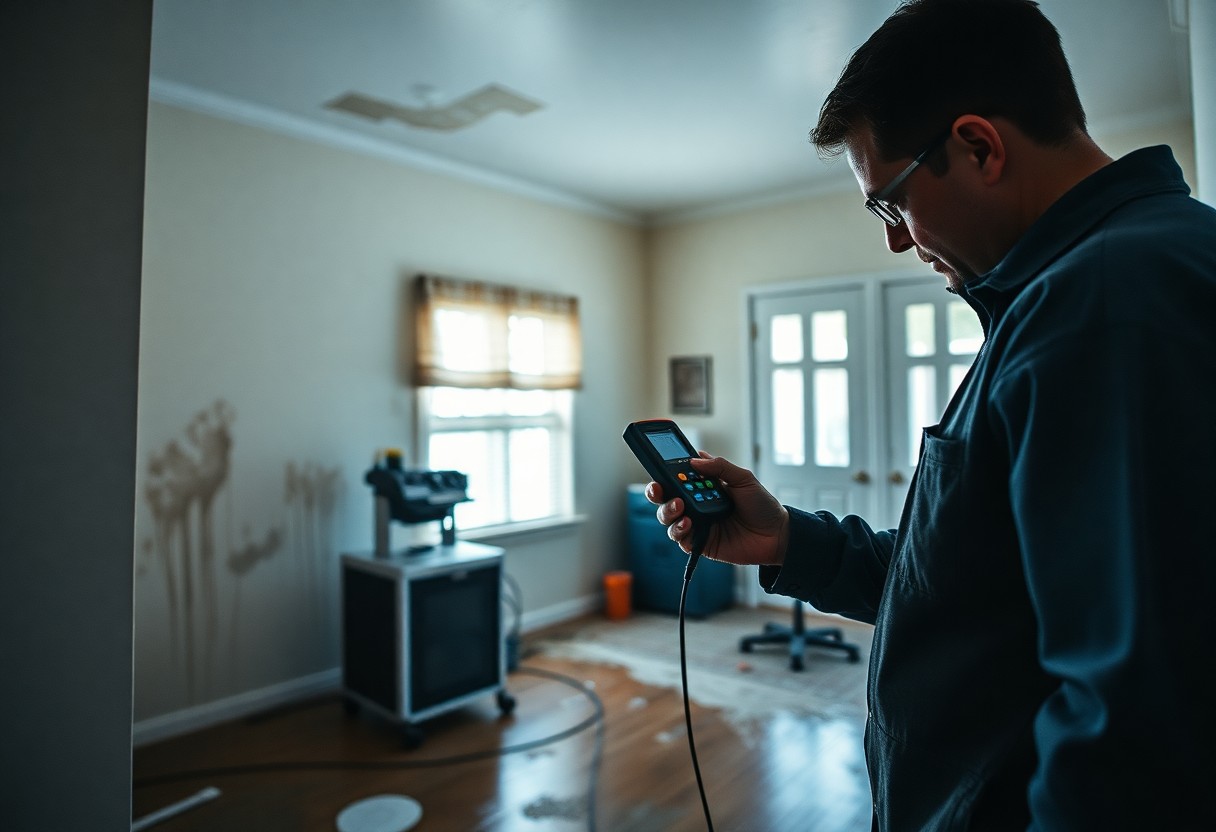

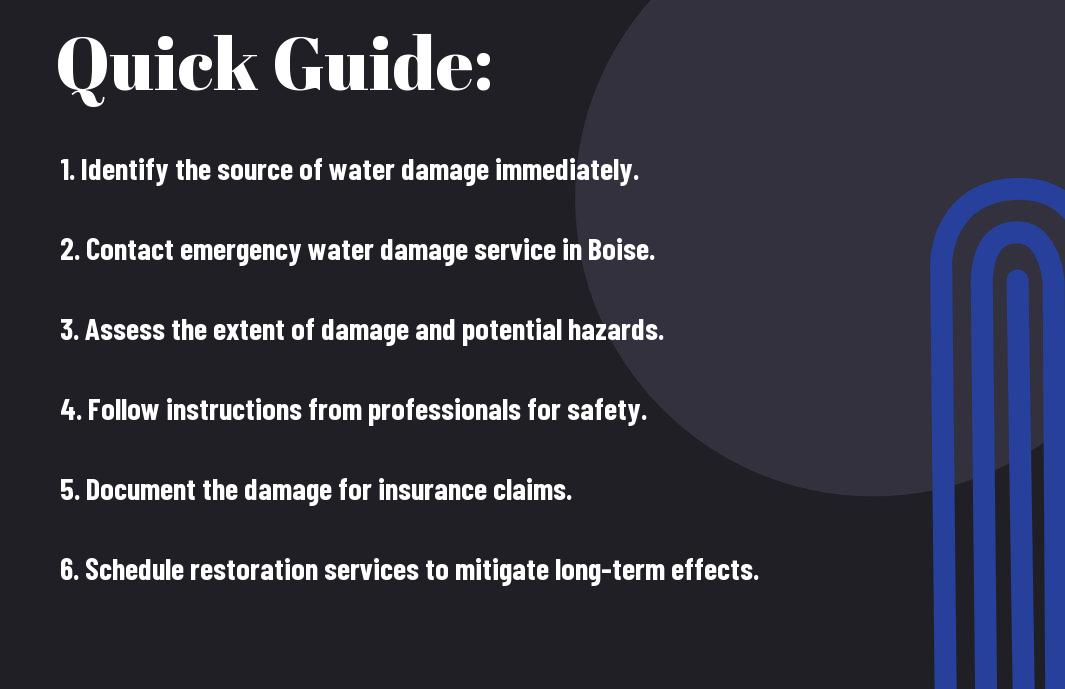
Most homeowners understand the stress that water damage can cause, and immediate action is vital to mitigate further issues. If you find yourself facing such an emergency in Boise, Idaho 83705, this guide will provide vital insights into local response times and effective solutions. You'll discover reliable service options available around the clock, ensuring that your property restoration process is as smooth and efficient as possible. Let's explore how to navigate this challenging situation together.
Key Takeaways:
- 24/7 Availability: Immediate assistance is available around the clock to address water damage emergencies, ensuring timely intervention.
- Local Response Times: Services near Boise, Idaho, prioritize quick response to minimize damage and restore your property effectively.
- Comprehensive Solutions: Expert teams provide a range of services including water extraction, drying, and damage repair tailored to each situation.
Types of Water Damage
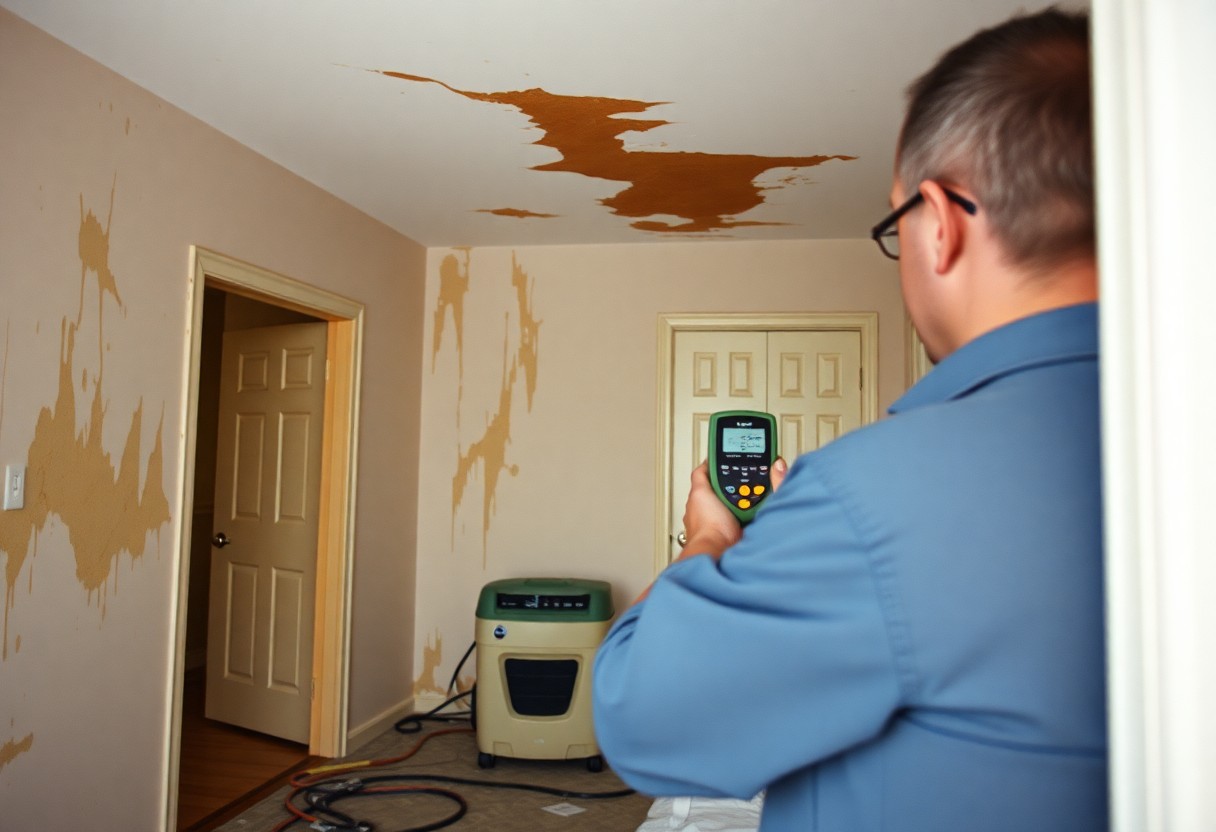
The types of water damage can vary significantly based on the source and contaminants present. Understanding these categories is crucial for effective remediation. Here's a breakdown:
| Type | Description |
| Clean Water Damage | Water from a clean source, typically non-toxic. |
| Gray Water Damage | Water containing some contaminants, such as detergent. |
| Black Water Damage | Highly contaminated water that poses health risks. |
| Source | Pipes, appliances, flooding, etc. |
| Remediation Method | Varies based on water type and contamination level. |
Knowing the type of water damage you are dealing with will help you determine the right approach for cleanup and restoration.
Clean Water Damage
Little does many homeowners know that clean water damage, sourced from things like leaky faucets or snowmelt, is generally less harmful. This type of water can be easily managed and poses minimal health risks to your family and pets.
Gray Water Damage
Water that comes from sinks or washing machines falls under gray water damage. This type may contain chemicals or pathogens that can cause discomfort if ingested or contacted, making immediate action important.
Water coming from sources like showers, bathtubs, or dishwashers can be concerning if left untreated. Gray water is not considered clean, and it should be addressed quickly to prevent further contamination and health risks.
Black Water Damage
Little awareness exists about black water damage, which is often sourced from sewage or flooding from rivers. This type of water is highly toxic and requires professional remediation to ensure your home and health are not compromised.
Damage from black water can have serious health implications as it can contain bacteria, viruses, and chemical contaminants. This emphasizes the importance of immediate action, professional assessment, and thorough cleanup to mitigate risks associated with black water exposure.
Factors Affecting Water Damage Restoration
Assuming you're facing a water damage scenario, there are several factors that can influence the restoration process. These include:
- The source of the water
- The time elapsed since the damage occurred
- The extent of the damage and affected areas
- Environmental conditions, such as temperature and humidity
Thou must consider these elements to ensure a complete recovery.
Time of Exposure
On assessing water damage, the duration of exposure plays a significant role. The longer materials remain wet, the greater the potential for structural damage and mold growth. Prompt action helps mitigate these risks, so addressing the situation immediately is advisable.
Type of Water Involved
For effective restoration, understanding the type of water that caused the damage is imperative. Water can be classified into three categories: clean, gray, and black, each requiring different approaches to treatment and cleanup.
The type of water involved will dictate the restoration process. Clean water, from a broken pipe, is less hazardous, while gray water contains contaminants from sources like washing machines. Black water is highly dangerous, posing health risks, often originating from sewage. Each type requires specific handling techniques to ensure safety and complete restoration.
Environmental Considerations
Involved in water damage restoration are environmental factors that can further complicate the process. Temperature, humidity, and weather conditions directly influence drying times and overall recovery efforts.
Plus, ensuring adequate ventilation and controlling humidity levels can significantly enhance the efficiency of the restoration process. High humidity may prolong drying times and promote mold growth, while lower temperatures could slow down evaporation. Being aware of these conditions will equip you to take action that supports effective restoration in your home.
Step-by-Step Water Damage Restoration Process
Unlike other repairs, water damage restoration follows a systematic approach to ensure your property is fully returned to its original state. The process typically includes several key stages, which are outlined in the table below.
| Step | Description |
| Initial Assessment | Inspecting the damage and determining the necessary steps. |
| Water Removal | Eliminating standing water to prevent further damage. |
| Drying and Dehumidification | Removing moisture from the air and materials. |
| Cleaning and Sanitization | Ensuring the area is free from contaminants. |
| Final Repairs | Restoring your home to its pre-damage state. |
Initial Assessment
Assuming you have contacted an emergency service, the first step involves a comprehensive assessment of the damage caused by the water. This evaluation helps technicians identify affected areas and formulate an effective plan for restoration.
Water Removal
Damage control is initiated by swiftly removing any standing water, which is vital in preventing secondary damage and mold growth.
Initial water removal typically involves the use of powerful pumps and vacuums to extract excess water from your premises. This step is vital to mitigate risks associated with prolonged exposure to moisture, as stagnant water can lead to significant structural and health issues if not addressed promptly.
Drying and Dehumidification
Now that the water has been removed, the next step focuses on thoroughly drying your property and controlling humidity levels to ensure no moisture remains.
Process-wise, industrial-strength dehumidifiers and air movers are deployed to facilitate rapid drying of carpets, walls, and other materials. Effectively removing moisture not only helps prevent the growth of mold and mildew but also secures the integrity of your property's structure.
Cleaning and Sanitization
Even after the drying process, ensuring your space is clean is imperative for your health and safety.
To achieve a sanitary environment, professionals will use specialized cleaning solutions to address contaminated surfaces. This step not only removes dirt and debris but also eliminates harmful pathogens, ensuring your home is a safe place to inhabit once more.
Final Repairs
Process of restoring your property often leads to final repairs, where any damaged structures are replaced or repaired to return your home to its original condition.
Understanding that this final step can involve tasks like repainting, replacing drywall, or repairing flooring, you can rest assured that a thorough restoration process guarantees long-term results. The aim is to ensure your home is fully functional and aesthetically pleasing, just as it was prior to the water damage incident.
Tips for Preventing Water Damage
To safeguard your home from water damage, consider implementing the following strategies:
- Inspect and maintain your roof regularly.
- Install and check gutters and downspouts.
- Seal cracks in your foundation.
- Use water sensors in vulnerable areas.
- Know the location of your main shutoff valve.
Assume that taking proactive steps will help you avoid costly repairs in the future.
Regular Maintenance
There's no replacement for routine inspections to catch potential issues before they escalate. Make it a habit to check your plumbing, appliances, and roofing, ensuring everything is in good condition. Periodic inspections of the areas prone to water damage can provide peace of mind and help keep your property safe.
Quick Response to Leaks
Now, when it comes to leaks, every moment counts. Promptly addressing any signs of water leakage can prevent minor issues from evolving into substantial damage. If you notice water stains, mold, or musty odors, don't hesitate to act.
Quick action can minimize damage and save you from expensive repairs. When you identify a leak, shut off the water source immediately, and call a professional when necessary. The sooner you respond, the less likely you are to encounter long-term damage.
Proper Drainage Systems
Response to water management starts with effective drainage systems. Ensure your property has proper grading away from the foundation to divert water, along with functional gutters and downspouts. This will significantly reduce the chances of water pooling around your home.
Preventing water damage involves ensuring that your drainage systems are maintained and routinely checked. Blocked gutters and improper drainage can lead to water seepage into your home, resulting in mold growth and structural issues. Regular maintenance of these systems is a key factor in protecting your property from unforeseen water damage.
Pros and Cons of Professional Water Damage Services
For anyone facing water damage, deciding whether to hire professional services can be challenging. Here's a breakdown of the pros and cons to help you make an informed choice:
| Pros | Cons |
| Quick response times | Can be costly |
| Expertise and experience | Possible dependency on services |
| Advanced equipment | Less control over the process |
| Long-term solutions | Insurance limitations |
| Guaranteed work | Potential for upselling |
Advantages of Hiring Professionals
To effectively manage water damage, hiring professionals provides peace of mind and a comprehensive approach to restoration. Their expertise ensures that every issue is identified and addressed, reducing the risk of long-term damage or mold growth. They also have access to specialized tools that allow for efficient water extraction, drying, and repair, saving you time and effort in the process.
Potential Disadvantages
Pros of hiring professionals can be overshadowed by potential disadvantages. You may face unexpected costs that strain your budget, especially if the damage is extensive. Additionally, you might feel a lack of control over the restoration process and the decisions being made. It's important to consider these factors while evaluating your options.
With the possibility of hidden fees and the risk of upselling, relying solely on professional services may not fit everyone's budget. You might also encounter delays in response time, particularly during peak seasons or if the service provider is overwhelmed. Fully assessing these potential drawbacks is vital to make the best decision for your situation.
Local Response Times for Emergency Services in Boise, Idaho
Not all emergency water damage services in Boise, Idaho, operate with the same efficiency. Understanding local response times can significantly affect your recovery process after a water damage incident. The quicker the service, the less extensive the damage and associated costs will be. When you find yourself facing water damage, being aware of your options can assist you in making informed decisions.
Average Response Times
Times for emergency water damage services in Boise typically range from 1 to 2 hours. However, local companies strive for faster response times to minimize further damage to your property. This quick reaction is imperative for effectively addressing leaks, flooding, or any water-related issues you may encounter.
Effect of Local Resources
Response times heavily depend on the availability of local resources. Companies with a strong presence in the Boise area can mobilize quickly, ensuring timely assistance when you need it the most. With a combination of trained professionals and adequate equipment, these local services are able to swiftly tackle your water damage issues.
Times can vary depending on the location and severity of the emergency. Local providers are often in close proximity and equipped to respond rapidly, significantly reducing your wait time. For residents of Boise, leveraging local resources not only facilitates prompt service but also enhances the overall effectiveness of the restoration process, ensuring you get back to normalcy as soon as possible.
Summing up
Conclusively, having access to a 24/7 emergency water damage service near Boise, Idaho, means you can address any water-related issues promptly and efficiently. With local response times that cater to your needs, you can trust that your property will receive the care it deserves, minimizing potential damage. Choosing the right solution for your situation will not only alleviate stress but ensure your home is restored to its original condition swiftly. You can safeguard your property by being proactive and reaching out for professional assistance when water damage occurs.
FAQ
Q: What types of water damage services are offered near Boise, Idaho?
A: In the Boise, Idaho area, various water damage services are available, including emergency water extraction, structural drying, mold remediation, and repair services. These services cater to both residential and commercial properties, ensuring that all aspects of water damage are addressed effectively.
Q: How quickly can I expect a response from a water damage service in Boise?
A: Most water damage services near Boise, Idaho, provide 24/7 response times. Typically, you can expect a local team to arrive within an hour of your call. The prompt response is designed to mitigate further damage and begin the restoration process as soon as possible.
Q: What should I do before the water damage restoration team arrives?
A: Before the restoration team arrives, it's advisable to ensure your safety first. If possible, turn off the main power supply to avoid electrical hazards. Remove any valuable items from the affected area and, if safe, try to stop or contain the water source, such as shutting off the main water valve. Avoid walking through water if it's potentially contaminated.