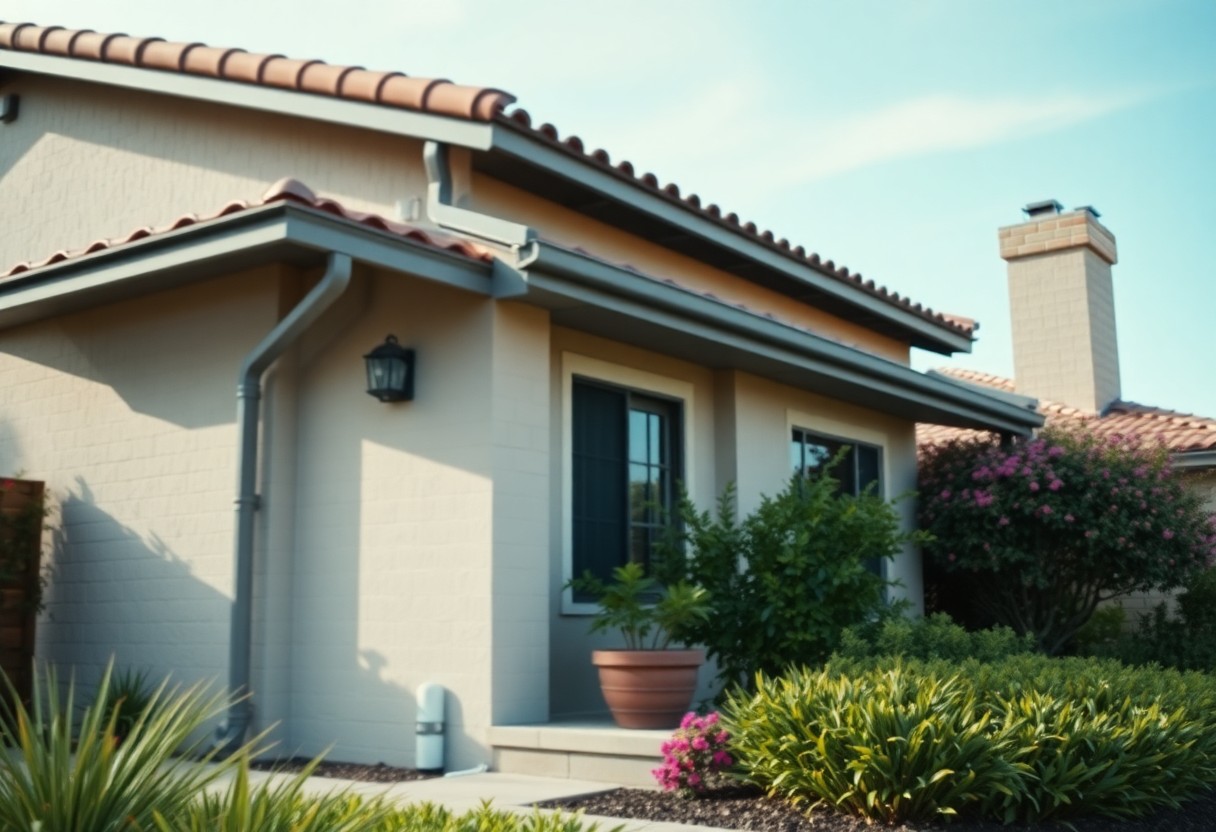

Most homeowners in Los Angeles, California 90001 are unaware of the significant risks that water damage poses to their properties. By implementing effective prevention strategies, you can protect your home from leaks, mold, and costly repairs. In this guide, we'll explore the top five water damage prevention tips specifically tailored for your area. With informed practices and regular maintenance, you can safeguard your living space and enhance its longevity, ensuring you enjoy the sunny weather without worrying about unwanted moisture issues.
Key Takeaways:
- Regular maintenance of gutters and downspouts is vital to divert rainwater away from your home, preventing potential leaks and water intrusion.
- Investing in sump pumps can provide an extra layer of protection, especially in Basements, to handle unexpected water accumulation during heavy rains.
- Check for leaks in plumbing systems frequently to identify and fix any issues before they lead to significant water damage.
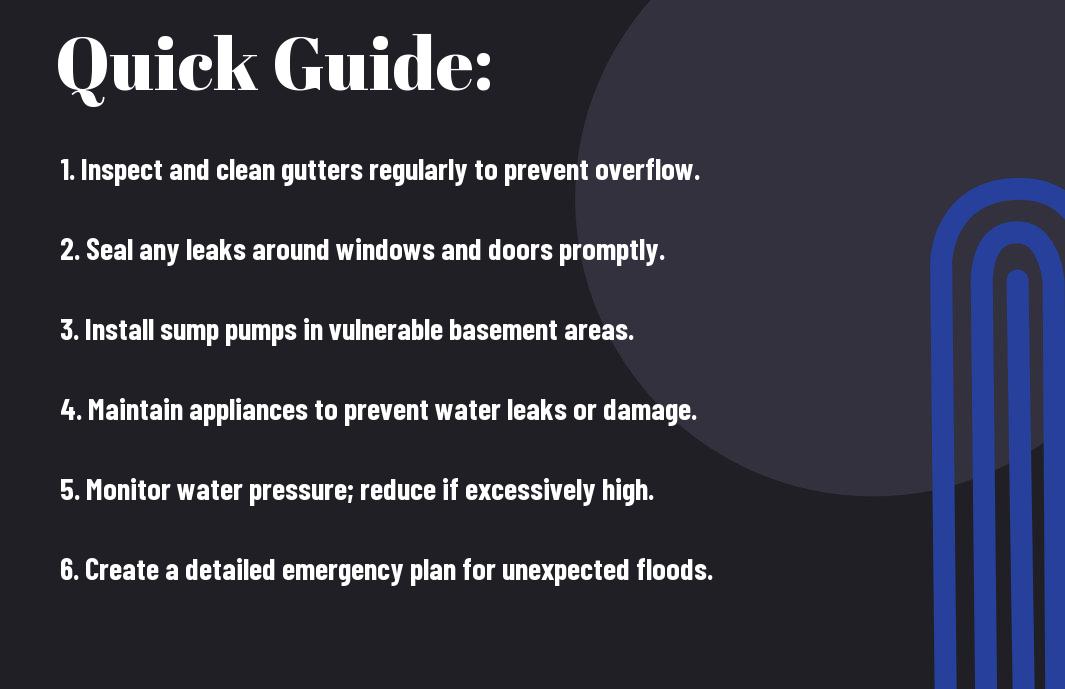
Understanding Water Damage
While many homeowners in Los Angeles may not realize it, water damage can lead to significant structural issues and costly repairs. Understanding water damage is necessary for maintaining the integrity of your home. This knowledge can help you identify potential threats and implement effective preventative measures to protect your property.
Types of Water Damage
Now, it's important to recognize the various types of water damage that can occur in your home. Each type has distinct sources and requires different approaches for mitigation:
| Type | Description |
| Clean Water Damage | Results from a clean source like a broken pipe. |
| Gray Water Damage | Involves water from appliances, such as dishwashers. |
| Black Water Damage | Contaminated water from sewage backup. |
| Flooding | Caused by natural disasters or heavy rain. |
| Rooftop Leakage | Water entering from damaged roofing materials. |
This understanding enables you to take tailored actions for each type and prevent costly repairs.
Factors Contributing to Water Damage
An effective grasp of factors contributing to water damage can significantly enhance your preparedness. Various conditions may lead to unexpected water intrusion in your home:
- Old or damaged roofs
- Clogged gutters
- Poorly sealed windows and doors
- Burst pipes during winter
- Foundation cracks
Thou can minimize risks by regularly maintaining your home and addressing these issues promptly.
Another key factor is environmental conditions that can exacerbate water damage. For instance, living in a region prone to heavy rainfall and flooding increases the chances of water-related problems:
- High humidity levels
- Proximity to bodies of water
- Seasonal changes leading to freeze-thaw cycles
- Extreme weather events
- Soil erosion around the foundation
Thou should evaluate these environmental factors and prepare your home accordingly to mitigate potential risks.
Top 5 Water Damage Prevention Tips
If you're a resident of Los Angeles, preventing water damage is imperative for safeguarding your home. Here are five imperative tips to help you protect your property:
- Inspect your plumbing regularly.
- Maintain your roof and gutters.
- Use water-resistant materials.
- Install a sump pump.
- Monitor humidity levels.
Perceiving the importance of these steps can save you from costly repairs and keep your home safe from water damage.
Tip 1: Inspect Your Plumbing Regularly
Your plumbing system should be inspected regularly to identify potential leaks or weaknesses. Pay attention to areas like under sinks and behind appliances where moisture may accumulate unnoticed.
Tip 2: Maintain Your Roof and Gutters
Some homeowners overlook the importance of maintaining their roof and gutters, which can lead to serious water damage. Regular inspections and cleanings will keep your home dry and protected.
Roof maintenance involves checking for damaged shingles, ensuring that flashing is intact, and clearing debris from gutters. Well-maintained gutters direct water away from your foundation, reducing the risk of flooding or leaks.
Tip 3: Use Water-Resistant Materials
Plumbing fixtures and building materials can help protect your home from water damage. Choose water-resistant options for bathrooms, kitchens, and basements to minimize the impact of leaks or spills.
Regularly incorporating water-resistant materials, such as tile, vinyl, and moisture-resistant paint, into your home can significantly enhance its ability to withstand water exposure and reduce long-term repair costs.
Tip 4: Install a Sump Pump
While it may not seem necessary, a sump pump is a wise investment to protect your home from potential flooding. This device helps redirect excess water away from your home's foundation.
Damage caused by flooding can be extensive, but a sump pump can efficiently remove standing water and help maintain the structural integrity of your property. Installing a battery backup ensures your sump pump operates even during power outages.
Tip 5: Monitor Humidity Levels
Some homeowners may be surprised to learn that high humidity can contribute to water damage. Keeping track of indoor humidity levels helps reduce the risk of mold and structural damage.
The ideal humidity range is typically between 30-50%. By using dehumidifiers and ensuring proper ventilation in areas like bathrooms and kitchens, you can control moisture and protect your home effectively.
Step-by-Step Guide to Implement Tips
Keep your home safe from water damage by following these actionable steps:
- Assess the plumbing system
- Inspect the foundation and roof
- Clear gutters and downspouts
- Ensure adequate drainage
- Install water alarms
Thou will find that these measures provide a solid foundation for prevention.
Tips Overview| Tip | Description |
| Conduct a Home Inspection | Review your property's water vulnerability. |
| Schedule Regular Maintenance | Keep your plumbing and drainage systems in check. |
Step 1: Conduct a Home Inspection
Now is the perfect time to thoroughly inspect your home for potential water damage risks. Look for signs of leaks, moisture buildup, and mold in both visible and hidden spaces, like basements and attics. Identifying problem areas now will save you time and money later, ensuring your property is safeguarded against water issues.
Step 2: Schedule Regular Maintenance
With a commitment to regular maintenance, you can significantly reduce the risks associated with water damage. Create a maintenance schedule that includes routine checks and repairs of plumbing, gutters, and roofing systems, ensuring they function optimally.
Conduct preventive maintenance by engaging professionals for plumbing inspections and repairs. Cleaning gutters and ensuring that downspouts direct water away from your foundation is important. Additionally, keep an eye on appliances like washing machines and refrigerators that use water, replacing old hoses as needed. Regular upkeep can help you avert future water-related woes.
Pros and Cons of Water Damage Prevention Methods
Despite thinking that water damage prevention methods are all beneficial, it's crucial to consider both their advantages and drawbacks. The effectiveness of these methods can vary significantly based on your unique circumstances. Understanding these pros and cons helps you make informed decisions regarding water damage preventive measures.
| Pros | Cons |
|---|---|
| Reduces the risk of expensive repairs | Initial costs for installation and maintenance |
| Improves property value | Possible false sense of security |
| Enhances safety for residents | Requires ongoing monitoring |
| Minimizes disruption in your life | May need professional assistance |
| Encourages responsible property management | Not all systems guarantee absolute protection |
Pros of Preventive Measures
Damage caused by water can be both severe and costly, but preventive measures significantly lower these risks. By proactively addressing potential problem areas, you can protect your home from expensive repairs and preserve its market value. Additionally, investing in prevention boosts your safety, as it reduces hazards like mold and structural instability.
Cons and Considerations
An important aspect to consider is that while preventive measures are beneficial, they may come with drawbacks. Some installations require a significant upfront investment, which can be daunting. Moreover, systems may not offer complete protection, leading to a false sense of security. You'll also need to routinely check and maintain these systems, which can add to your workload and expenses.
To effectively manage these cons, it's advised to conduct thorough research and potentially consult professionals who can guide you to the most effective systems for your needs. Assess your property's specific risks and weigh them against the costs and time required for installation and upkeep. This careful evaluation will allow you to adopt a preventative approach that delivers the best balance between protection and practicality for your home.
Common Myths about Water Damage
All residents of Los Angeles often fall victim to misconceptions about water damage. You might believe that a minor leak or small stain isn't a cause for concern, but even small issues can escalate into significant problems over time. Many also think that water damage only occurs during heavy rain, but internal sources like burst pipes or appliance malfunctions are equally hazardous. Additionally, you might assume that home insurance automatically covers all water damage, which is not always the case. Understanding these myths is the first step toward protecting your home from potential damages.
Resources for Further Information
Unlike many areas, Los Angeles residents have access to a variety of resources that can enhance your understanding of water damage prevention. You can explore the City of Los Angeles Department of Water and Power's website for valuable tips on water conservation and leak detection. Additionally, local home improvement stores often host workshops on maintaining your plumbing systems. For more specialized advice, consider consulting with licensed contractors in your area who can provide insights tailored to your specific needs and environment.
Summing up
Now that you understand the top 5 water damage prevention tips for Los Angeles, California 90001 residents, you can take proactive steps to protect your home. By regularly inspecting your property, addressing leaks promptly, maintaining your gutters, ensuring proper drainage, and investing in water detection systems, you can significantly reduce the risk of water damage. Implementing these strategies will safeguard your investment and provide peace of mind, knowing you are doing your best to prevent costly repairs.
Q: What is the first step to prevent water damage in my home?
A: The first step to preventing water damage is to conduct a thorough inspection of your property. Look for any visible signs of leaks, such as water stains on walls or ceilings, damp spots, or mold growth. Pay particular attention to areas around plumbing fixtures, appliances, and basements. Ensuring that your roof is in good condition and that gutters and downspouts are functioning properly can also help divert water away from your foundation.
Q: How can I protect my home from flooding during heavy rainfall?
A: To protect your home from flooding, consider installing a sump pump in your basement or crawl space. This device helps remove excess water that may accumulate during heavy rainfall. Additionally, ensure that your yard is graded properly to direct water away from your home's foundation. You can also create barriers such as sandbags or install flood vents to minimize the risk of water entering your home.
Q: What maintenance tasks should I perform regularly to prevent water damage?
A: Regular maintenance tasks are important for water damage prevention. Check and clean your gutters and downspouts at least twice a year to ensure they are clear of debris. Inspect hoses on appliances like washing machines and refrigerators for signs of wear. It's also wise to periodically test your water heater for leaks and maintain proper temperatures to prevent excessive pressure. Finally, make sure to replace any worn-out seals around windows and doors to keep moisture out.