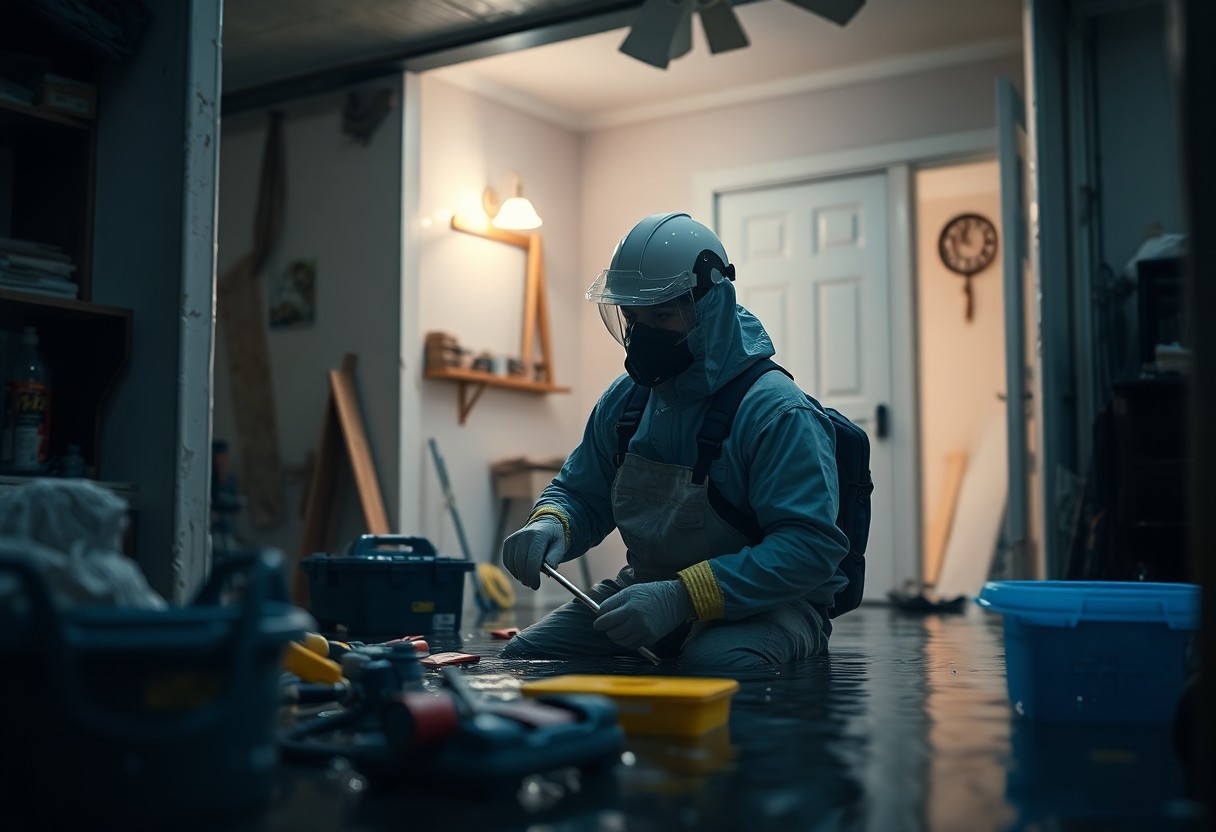

You may find yourself needing water restoration services in Middleton, Idaho, due to various emergencies like flooding or leaks. Understanding the process of water damage restoration is vital for protecting your property and ensuring a swift recovery. In this complete guide, you'll discover the steps involved, the key services to look for, and tips on finding reliable professionals to assist you. Equip yourself with the knowledge you need to effectively tackle water damage and restore your space to its original condition.
Key Takeaways:
- Water Damage Assessment: Understanding the extent of water damage is imperative for effective restoration services.
- Quick Response: Timely action can significantly reduce the extent of damage and restoration costs.
- Professional Equipment: Utilizing specialized tools and technology enhances the efficiency of the water restoration process.
- Insurance Guidance: Knowledge of insurance claims can help homeowners get the financial support needed for restoration.
- Post-Restoration Care: Implementing preventive measures after restoration can help avoid future water damage issues.

Understanding Water Restoration Services
A comprehensive understanding of water restoration services can empower you to effectively tackle water-related issues in your property. This guide will provide important insights into what these services entail, their significance, and the types of water damage you may encounter.
Definition of Water Restoration
Services related to water restoration are aimed at the removal of water, the repair of damage caused by water, and the overall restoration of structures to their pre-damage condition. These services often initiate after incidents like floods, leaks, or burst pipes.
Importance of Water Restoration Services
Water restoration services are crucial to prevent further damage and mitigate health risks. Without professional intervention, water damage can lead to structural issues and mold growth, which can compromise the safety of your environment.
This emphasizes the necessity of promptly addressing water issues with the help of experts. By ensuring timely restoration, you protect your investment and maintain a safe and healthy living space.
Types of Water Damage
Understanding the different types of water damage can help you identify the appropriate restoration approach. The common categories include:
- Category 1: Clean water from a sanitary source
- Category 2: Grey water from appliances and overflow
- Category 3: Black water containing hazardous substances
- Flood damage caused by heavy rain or storms
- Leakage from plumbing issues
Perceiving the type of water damage you are dealing with is key to determining the necessary restoration steps.
| Category | Description |
| Category 1 | Clean water |
| Category 2 | Grey water |
| Category 3 | Black water |
| Flood Damage | Caused by storms |
| Leakage | From plumbing issues |
Services tailored to manage water damage involve various techniques aimed at restoring your property. Each type of damage demands specific methods to ensure effective recovery and to avoid future complications.
Water restoration experts utilize advanced equipment and techniques based on the identified type of damage. You'll find that a thorough assessment is necessary to formulate a targeted plan for restoration, which may include drying, dehumidifying, and repairing affected areas.
- Assessment of damage extent
- Water extraction and drying
- Mold prevention techniques
- Repairs to affected structures
- Final inspection to ensure safety
Perceiving this comprehensive approach is crucial for restoring your property and safeguarding your health.
Types of Water Restoration Services
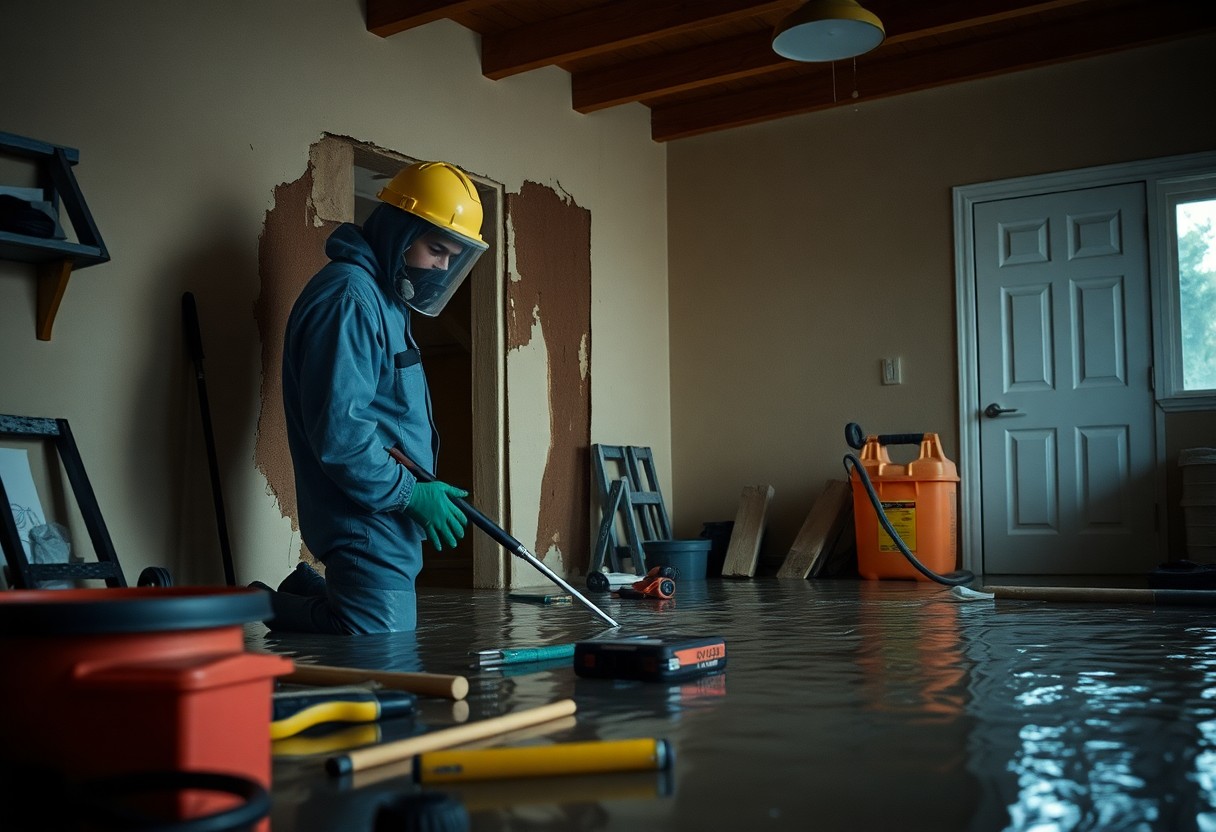
Some of the most common water restoration services include a variety of approaches tailored to address different aspects of water damage. Understanding these services helps you identify what you might need in case of a flooding or water-related emergency.
- Emergency Water Removal
- Water Damage Cleanup
- Structural Drying
- Mold Remediation
- Content Restoration
Recognizing the specific needs of your situation allows you to effectively manage water damage and its aftermath.
| Service | Description |
|---|---|
| Emergency Water Removal | Immediate extraction of standing water using specialized equipment. |
| Water Damage Cleanup | Thorough cleaning and sanitizing of affected areas to prevent further damage. |
| Structural Drying | Utilization of air movers and dehumidifiers to dry building materials. |
| Mold Remediation | Identification and removal of mold due to excess moisture. |
| Content Restoration | Restoration of personal belongings affected by water damage. |
Emergency Water Removal
Some water emergencies require immediate attention, and that's where emergency water removal comes into play. This service involves the swift extraction of standing water using powerful pumps and vacuums. Addressing the issue promptly minimizes the risk of further damage and sets a solid foundation for subsequent restoration efforts.
Water Damage Cleanup
An effective water damage cleanup is important for restoring your home to a safe and healthy state. This process includes thoroughly cleaning and sanitizing the affected areas to eliminate any potential contaminants and prevent the growth of mold and mildew.
Restoration professionals use specialized equipment like industrial-strength cleaners and anti-microbial solutions, ensuring your home not only looks good but also meets hygiene standards. This step is paramount in preventing long-term health issues related to mold exposure.
Structural Drying
Water damage can severely compromise the structural integrity of your home; therefore, structural drying is a critical step. This process employs air movers and dehumidifiers to lower moisture levels in walls, floors, and ceilings. Through effective drying, professionals can mitigate long-term damage and accelerate the restoration process.
Understanding the importance of structural drying can save you from costly repairs down the line. Industry experts often monitor moisture levels to ensure that all materials are dried effectively, leaving no chance for hidden water to foster mold growth.
Mold Remediation
Water damage increases the risk of mold growth, making mold remediation integral to your restoration efforts. This service involves identifying mold-affected areas and employing various techniques for effective removal.
Types of remediation methods can include physical removal of affected materials, air filtration systems, and the application of antimicrobial treatments. Proper mold remediation helps ensure a safe living environment free from irritants and allergens, allowing you to breathe easy post-restoration.
Content Restoration
Restoration services also extend to your valuable personal belongings. Content restoration refers to the process of saving and restoring items that have been affected by water damage.
Services involved in content restoration may include cleaning, drying, and repairing furniture, electronics, and personal items. This approach not only saves your belongings but also reduces waste and helps you preserve memories attached to your items in the aftermath of a water emergency.
Services like these are designed to assist you in reclaiming your home and ensuring a smooth transition back to normalcy following water damage.
Step-by-Step Water Restoration Process
Once again, when dealing with water damage, understanding the step-by-step restoration process can provide you with peace of mind. Below is a detailed table outlining these steps:
| Step | Description |
|---|---|
| Initial Assessment | Identify the extent of water damage and develop a restoration plan. |
| Water Extraction | Remove standing water to prevent further damage. |
| Drying and Dehumidification | Eliminate moisture through advanced equipment. |
| Cleaning and Sanitization | Clean affected areas and eliminate contaminants. |
| Restoration | Repair and return your space to pre-damage condition. |
Initial Assessment
While assessing the extent of the water damage, a professional will inspect your property carefully. This includes identifying water sources, evaluating affected areas, and determining the best course of action for restoration to ensure effective results.
Water Extraction
Even the smallest amount of standing water can lead to significant long-term damage, so quick extraction is vital. Professionals utilize powerful pumps and vacuums to remove standing water from your home efficiently.
A thorough water extraction process helps eliminate most of the water within your space, preventing mold growth and further structural damage. Once this stage is complete, your property will be better prepared for the subsequent drying and dehumidification steps.
Drying and Dehumidification
Extraction alone won't suffice; drying is imperative. Advanced equipment, such as air movers and dehumidifiers, works to reduce moisture levels in the air and on surfaces effectively.
Process details for drying and dehumidification involve monitoring humidity levels continuously. Professionals will adjust equipment as needed to ensure your property dries completely, reducing the risk of mold as the moisture dissipates from walls, floors, and furniture.
Cleaning and Sanitization
Clearly, after dealing with water, cleaning and sanitization of the affected areas are necessary steps. This phase requires thorough cleaning to remove any dirt, debris, and contaminants.
Sanitization is paramount in combating harmful bacteria and potential health risks that can arise from contaminated water. Professionals will use specialized cleaning solutions to ensure your living space not only looks clean but is safe for you and your family.
Restoration
With all previous steps completed, restoration is the final phase, focusing on returning your property to its original state or better. This includes repairs to walls, flooring, and any other damage sustained during the water event.
It can involve repainting, replacing carpets, or repairing structural elements. Investment in proper restoration ensures that your space not only looks as it did before but is also fortified against future water damage.
Factors Influencing Water Restoration Cost
Keep in mind that several factors can significantly impact the cost of water restoration services. Being aware of these factors can help you budget effectively and make informed decisions during the restoration process.
- Severity of Water Damage
- Type of Water Involved
- Size of Affected Area
- Duration of Water Exposure
- Required Equipment and Labor
Assume that you have a basic understanding of the nuances of water restoration costs as you probe deeper into each influencing factor.
Severity of Water Damage
You need to assess how severe the water damage is to determine the costs involved. Different levels of damage will require varying amounts of time, labor, and materials to properly restore your property.
Type of Water Involved
To accurately gauge restoration costs, consider the type of water that caused the damage. Clean water from broken pipes is less harmful and less expensive to restore than water from sewage backups or flooding.
Cost tends to vary greatly depending on whether you're dealing with clean, gray, or black water. Clean water is relatively straightforward to handle, while gray water may require additional sanitation measures. Black water, associated with sewage or floodwater, poses significant health risks and demands intensive treatment, which amplifies costs. Understanding this can help you anticipate potential expenses.
Size of Affected Area
An important element that influences water restoration costs is the size of the area impacted by water damage. Larger affected areas often require more material and more labor to restore effectively.
Affected areas determine how extensive the cleanup process will be. If only a small section of your home is affected, the costs will typically be lower compared to a situation where multiple rooms or large areas require restoration. Be mindful of how this factor plays into your overall expenses.
Duration of Water Exposure
If water remains in your property for an extended period, the restoration costs will likely increase. The longer water sits, the more damage it can inflict on your walls, floors, and personal belongings.
Water left untreated can lead to mold growth and structural issues, both of which will require more extensive (and expensive) repairs. Hence, how long the water exposure lasts directly affects your restoration cost, making prompt action necessary.
Required Equipment and Labor
Severity of water damage affects the amount and type of equipment and labor necessary to restore your property. For instance, more severe damage may require specialized tools for extraction and drying.
Understanding the equipment and labor required can help you anticipate costs. High-end tools, such as industrial-grade dehumidifiers and demolition equipment, are needed for severe cases, which increases labor hours and costs. Evaluating this in relation to your situation is vital for budgeting effectively.
Tips for Homeowners in Middleton, Idaho
After experiencing water damage, it's imperative to be proactive and informed. Here are some tips to help you effectively navigate the restoration process:
- Inspect your home regularly for leaks or dampness.
- Keep emergency contact numbers handy, including your insurance provider.
- Develop an emergency plan for your family.
- Understand your insurance policy's coverage for water damage.
- Invest in quality sump pumps and water alarms.
This proactive approach can help you mitigate damage and restore your home efficiently.
Preparing for Emergencies
To handle emergencies effectively, it's wise to have a preparedness plan in place. This includes knowing whom to call, having an emergency kit ready, and being aware of the potential risks associated with water damage. Quick action can save time and reduce the extent of damage in your home.
Choosing a Reliable Restoration Service
Assuming you need a water restoration service, take your time to research and select a trustworthy company. Look for providers with local experience, positive reviews, and proper certifications. Personal recommendations from neighbors can also guide you in making the right choice.
Plus, a reliable restoration service should be available 24/7 and offer a comprehensive range of restoration services. Ensure they use advanced equipment and have a clear plan for handling various types of water damage, from flooding to minor leaks. Transparent pricing and a thorough assessment before work begins are additional indicators of a reputable service.
Preventative Measures to Avoid Future Damage
Tips to safeguard your home from future water damage include routine maintenance and inspections. Regularly check your plumbing, roof, and gutters to ensure there are no leakages or blockages that could potentially lead to flooding.
With consistent upkeep and vigilance, you can significantly reduce the risk of water damage in your home. Implementing preventative measures such as waterproofing your basement or installing backflow valves can provide additional layers of protection, allowing you to enjoy peace of mind in your living space.
Documenting Damage for Insurance Claims
On discovering water damage, it's important to document everything for your insurance claims. Take photographs and make detailed notes about the extent of the damage and the areas affected. This documentation will provide evidence and can influence the efficiency of your claim process.
Measures you take in documenting the damage should be systematic. Ensure you capture images from multiple angles and highlight any personal belongings affected. This thorough documentation can strengthen your case with insurance adjusters and help expedite the claims process, resulting in a smoother recovery experience for you.

Pros and Cons of Water Restoration Services
All homeowners in Middleton, Idaho, should weigh the advantages and disadvantages of water restoration services. Understanding both sides will help you make an informed decision tailored to your specific situation.
| Pros | Cons |
|---|---|
| Professionals have expertise in handling various water damage scenarios. | Services can be costly, depending on the extent of damage. |
| Use advanced equipment and techniques for effective restoration. | Repair processes may take time, prolonging inconvenience. |
| Prevent mold growth and further damage with prompt action. | You may feel a lack of control over the restoration process. |
| Insurance claims assistance often provided by professionals. | Some services may not be covered by your insurance policy. |
| Safe removal of hazardous materials, like contaminated water. | Added stress of selecting a reputable service provider. |
| Comprehensive assessments for long-term damage evaluation. | Potential upselling of unnecessary services or products. |
| Restore property to pre-damage condition effectively. | Disruption of your daily life during restoration work. |
| Skilled technicians can offer preventative advice for the future. | Limited options if unexpected issues arise during service. |
| Peace of mind knowing experts are handling the situation. | Emergency services may require immediate financial outlay. |
Pros: Benefits of Professional Restoration
Assuming you choose professional restoration services, you're likely to experience enhanced safety and efficiency. Experts use specialized equipment to assess water damage accurately and employ effective techniques to restore your home quickly. Additionally, you can prevent the growth of mold or other health hazards by acting swiftly with a professional's help. This not only protects your property but also provides peace of mind during a stressful time.
Cons: Potential Drawbacks and Considerations
Now that you've seen the benefits, it's important to also consider the potential drawbacks associated with water restoration services. You may face significant costs based on the damage, and the duration of the restoration process may disrupt your daily life. Additionally, choosing the right service provider can add to your stress, especially if you are unsure about their reputation or expertise.
The financial implications of water restoration might feel overwhelming, particularly in the case of extensive damage. You could also encounter situations where your insurance doesn't cover entire expenses, leaving you with unexpected bills. It's advisable to compare multiple service providers, read reviews, and discuss payment terms upfront to ensure a smoother restoration experience.
Conclusion
Taking this into account, understanding the available water restoration services in Middleton, Idaho 83644 equips you with the knowledge needed to effectively address any water-related issues in your home or business. By familiarizing yourself with the processes and options, you can make informed decisions and ensure the safety and comfort of your environment. Whether dealing with minor leaks or extensive flood damage, having reliable services on hand can provide peace of mind and restore your property efficiently.
FAQ
Q: What are water restoration services and when should they be used?
A: Water restoration services involve the cleaning, drying, and repair of properties affected by water damage. This could result from events like flooding, burst pipes, or roof leaks. These services should be employed immediately after water damage occurs to prevent mold growth, structural damage, and further complications.
Q: How long does the water restoration process typically take?
A: The duration of the water restoration process can vary significantly based on the extent of the damage. Generally, a simple restoration may take a few days, while severe cases might require several weeks for proper drying, cleaning, and repairs. Factors such as the size of the area affected and the type of materials damaged also influence the timeline.
Q: Are water restoration services covered by insurance?
A: Many homeowners' insurance policies include coverage for water damage, but specifics can vary widely. It is advisable for homeowners to review their policies or discuss coverage details with their insurance agents. In some cases, restoration services might be necessary to prevent additional damage, which could also be covered under insurance.
Q: How can I choose the right water restoration company in Middleton, Idaho?
A: When choosing a water restoration company, consider factors such as their certifications, experience, customer reviews, and response time. Look for companies that are members of recognized professional organizations and have a track record of dealing with similar incidents in your area.
Q: What steps can I take to prevent water damage in my home?
A: Preventative measures include regularly inspecting your roof for leaks, maintaining plumbing systems, installing sump pumps in basements, and ensuring that drainage systems are functioning well. Additionally, keeping an eye on appliances that use water and managing humidity levels can help reduce the risk of water damage.