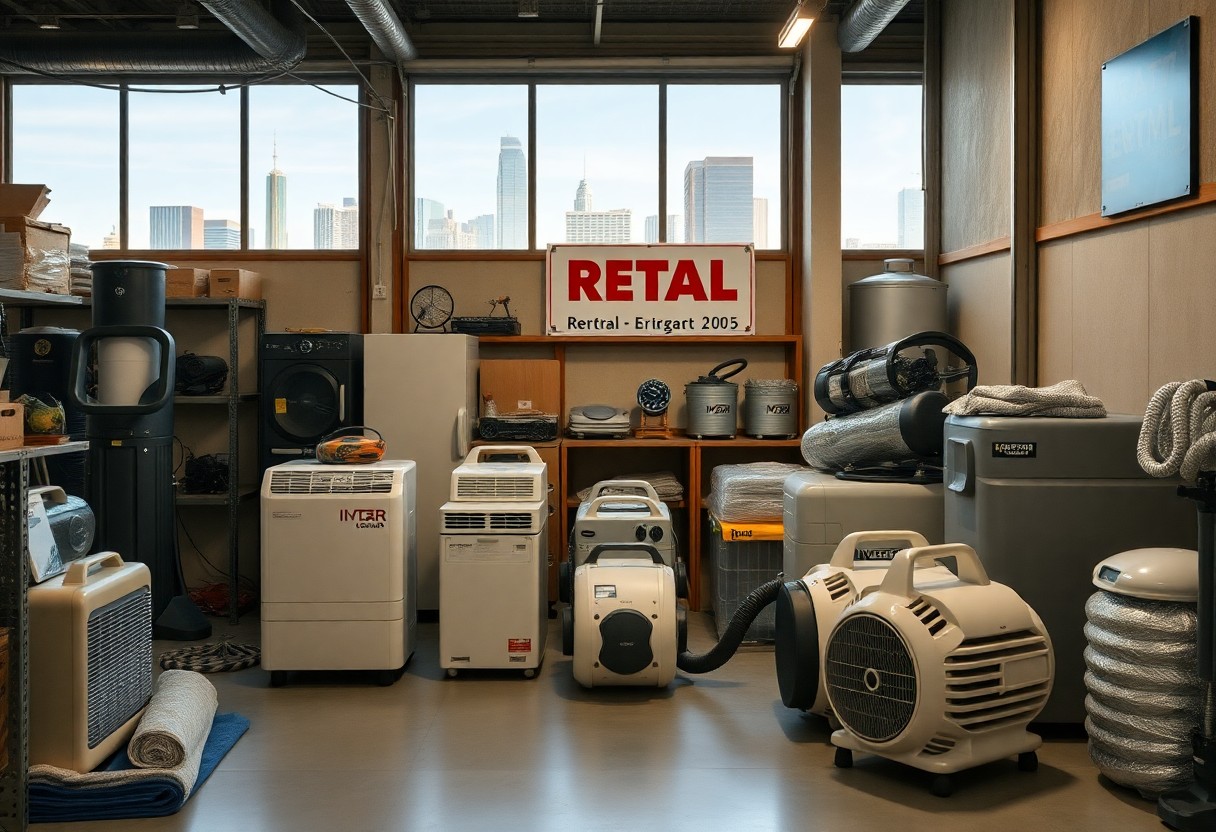

You're facing the aftermath of water damage and need the right tools to restore your space effectively. This guide will help you navigate the best equipment rentals available in Houston, Texas 77001, ensuring you have access to the crucial tools for your DIY restoration project. From powerful water extraction machines to efficient drying systems, we'll provide insights on where to find reliable equipment and tips for effective use. Let's empower you to take charge of your restoration efforts with the right resources at your fingertips.
Key Takeaways:
- Equipment Variety: Rental companies in Houston offer a wide range of water damage restoration equipment, including dehumidifiers, air movers, and water extractors tailored for DIY needs.
- Cost Efficiency: Renting restoration equipment can be more economical than purchasing, especially for short-term projects or one-time flood repairs, providing access to professional-grade tools without high upfront costs.
- Guidance Availability: Many rental services provide helpful guidance and tutorials on how to use the equipment effectively, ensuring DIYers can tackle water damage restoration safely and efficiently.
Types of Water Damage Restoration Equipment
The effective restoration of water-damaged areas relies on specific equipment designed for the task. Here are some commonly used types:
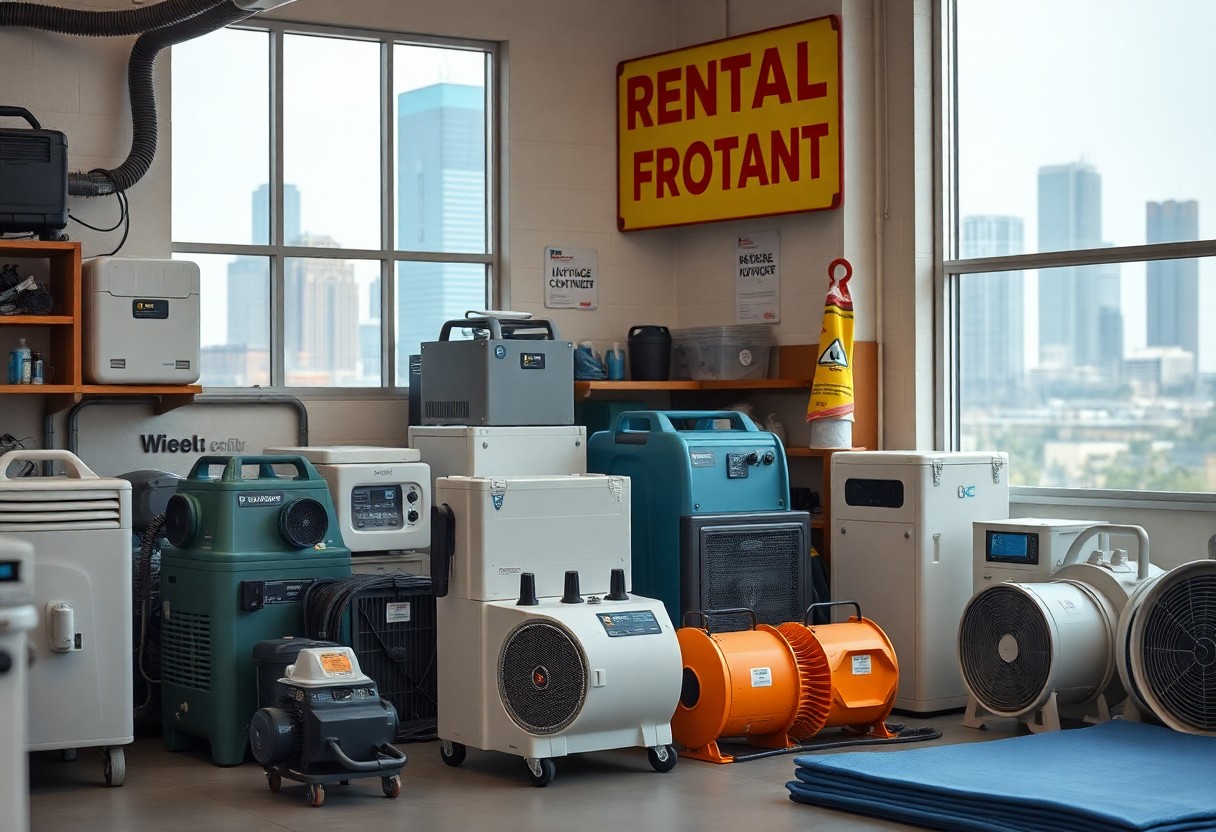
| Dehumidifiers | Remove excess moisture from the air. |
| Air Movers | Speed up evaporation to dry surfaces. |
| Water Extraction Units | Remove standing water quickly. |
| Moisture Meters | Measure moisture levels in materials. |
| HEPA Vacuums | Clean up debris and contaminants. |
Knowing the right equipment to use can make a significant difference in your restoration efforts.
Dehumidifiers
To effectively combat humidity after water damage, you should utilize dehumidifiers. These devices work by extracting moisture from the air, thus preventing mold growth and aiding the drying process. They are imperative in maintaining an environment conducive to thorough restoration.
Air Movers
Now, let's focus on air movers, which play a significant role in the drying process. They help circulate air, increasing evaporation rates and facilitating faster drying of wet surfaces, such as carpets, floors, and walls.
It is important to strategically place air movers to direct airflow toward wet areas. This helps in displacing humid air and replacing it with drier air, which accelerates the drying process. Using multiple air movers can enhance efficiency and produce faster results in any water damage restoration project.
Water Extraction Units
Some of the most effective tools for immediate water removal are water extraction units. These powerful machines efficiently suck up large volumes of water from floors, carpets, and other surfaces to prevent further damage.
Restoration specialists often employ water extraction units as the first step in the drying process. They ensure that as much water as possible is removed quickly, minimizing the risk of long-term damage and making it easier for other drying equipment like air movers and dehumidifiers to perform their tasks effectively.
Factors to Consider When Renting Equipment
You should evaluate several key factors before renting water damage restoration equipment. Consider these:
- Type of damage
- Size of the area
- Duration of the rental
- Cost of rental
- Available support and guidance
Thou must ensure your choices align with your specific needs.
Size of the Damaged Area
To effectively restore your property, assess the size of the damaged area. Larger spaces may require more equipment or multiple units to expedite the drying and cleaning process.
Level of Water Damage
Assuming you face varying degrees of water damage, it's imperative to identify how severe it is. Factors like standing water, saturation levels, and time since the incident will influence the equipment needed.
It's advisable to categorize water damage as either clean, gray, or black water. Each type calls for specific equipment; for example, clean water may only need extraction machines, while black water may require more advanced systems to ensure safe removal and cleanup.
Budget Constraints
Size of your budget is another important factor when renting equipment. You'll want to find options that meet your needs while still being financially feasible for your situation.
Understanding your budget will help you prioritize which equipment is imperative versus what can be considered optional. Evaluate rental prices and seek packages that provide the necessary tools for your restoration project while avoiding unexpected costs.
Tips for a Successful DIY Restoration
Now, to ensure your DIY restoration goes smoothly, follow these guidelines:
- Assess the extent of damage before starting.
- Gather all necessary equipment and supplies beforehand.
- Have a clear plan in place for each step of the restoration.
- Document the process with photos for future reference.
- Ask for help if necessary to avoid feeling overwhelmed.
Safety Precautions
One of the first steps to take when tackling water damage restoration is prioritizing safety. Wear protective gear, including gloves and masks, to shield yourself from mold and hazardous substances. Ensure proper ventilation in the area to avoid inhaling any harmful fumes. Also, be cautious of electrical hazards, and make sure to power off any affected circuits before starting your work.
Preparing the Area for Equipment
Restoration involves prepping the affected area to make room for your equipment. Clear all items and debris that could obstruct your restoration efforts. This not only allows for efficient usage of your equipment but also aids in preventing further damage. If possible, section off the area to keep it isolated and to help you focus on the task at hand.
Precautions should be taken to ensure that the area is free of clutter. This not only provides ample space for your equipment but also enhances safety during the restoration process. Consider laying down protective coverings on floors to prevent damage from the equipment. A well-prepared area allows for easier maneuverability and higher efficiency in addressing water damage issues.
Efficient Use of Equipment
Restoration demands that you use your rented equipment efficiently to maximize its effectiveness. Familiarize yourself with the operation of each tool before starting. This ensures you get the best results without wasting time or resources. Utilize multiple pieces of equipment simultaneously for optimal workflow, and adhere to the manufacturer's guidelines for proper handling.
Tips for effective use of equipment include rotating dehumidifiers and fans throughout the process to maintain air circulation and drying efficiency. Regularly monitor moisture levels to gauge the effectiveness of your equipment and make adjustments as needed. Efficient equipment usage can significantly speed up the restoration process, helping you regain comfort in your space sooner.
Step-by-Step Restoration Process
Unlike standard cleaning, water damage restoration requires a systematic approach to effectively mitigate the effects of water intrusion. Follow these vital steps for a comprehensive restoration process:
| Initial Assessment | Evaluate the extent of the damage to determine necessary actions. |
| Water Extraction | Remove standing water using specialized equipment. |
| Drying and Dehumidifying | Thoroughly dry out your space using fans and dehumidifiers. |
| Final Cleanup | Restore and clean the affected areas, ensuring all contaminants are removed. |
Initial Assessment
You need to begin by assessing the damage in your home. This involves identifying the source of the water intrusion, determining how much area has been affected, and documenting everything for insurance purposes. Thorough evaluation allows you to plan the next steps effectively.
Water Extraction
You will need to use water extraction equipment to eliminate standing water. This is a pivotal step as it prevents further damage to your property and mitigates the risk of mold growth. A wet/dry vacuum or a submersible pump can be quite effective during this phase.
Understanding the importance of prompt water removal is key to a successful restoration process. The longer water remains stagnant, the more severe the damage may become, affecting structures, flooring, and even personal belongings. Your choice of equipment can significantly influence how efficient this extraction phase is.
Drying and Dehumidifying
For effective restoration, you must thoroughly dry out the affected areas. Employ fans, dehumidifiers, and heaters to expedite the drying process. Ensuring that your space is completely dry helps prevent mold growth and structural damage from lingering moisture.
Extraction and drying go hand in hand to secure the integrity of your home. Proper drying involves monitoring moisture levels using hygrometers and can take several days, depending on the extent of water damage. This step is vital for ensuring that every trace of moisture is eliminated from your home.
Final Cleanup
The cleanup process follows your drying efforts. This includes disposing of damaged materials, cleaning surfaces, and disinfecting areas that were affected by water. Your goal here is to ensure a safe and hygienic environment in your home moving forward.
Restoration is incomplete without the final cleanup, as it not only removes any remnants of water damage but also prepares your space for future use. This step allows you to restore your home's aesthetics and functionality, ensuring your living area is safe and welcoming once again.
Pros and Cons of Renting vs. Buying Equipment
Many homeowners consider whether to rent or buy water damage restoration equipment. Each option has its advantages and disadvantages that can influence your decision. The table below breaks down the pros and cons for better clarity.
| Pros | Cons |
|---|---|
| Lower upfront costs | Limited availability for longer projects |
| No long-term maintenance required | Rental fees can add up over time |
| Access to the latest equipment | Potential delays in obtaining equipment |
| Flexible rental periods | May require transport logistics |
| Good for short-term projects | No asset ownership |
Cost-Effectiveness
Assuming you're working on a small project, renting equipment can prove to be the more financially savvy choice compared to buying outright. The upfront costs are lower, freeing up your budget for other imperatives. As long as you return the equipment within the rental period, you can avoid the long-term expenses associated with ownership.
Availability and Flexibility
With rental options, you gain a level of flexibility and convenience that can be beneficial for your project. Renting allows you to select the exact equipment you need without the burden of long-term storage or upkeep. Plus, many rental companies offer a wide range of equipment that can be customized to your specific requirements.
This flexibility is particularly useful for varying project scales or unforeseen circumstances. Since your needs may change unexpectedly, having the ability to rent equipment as necessary ensures you are well-equipped for any situation without overwhelming your garage or workspace with rarely-used tools.
Maintenance Responsibilities
Equipment ownership means you take on full maintenance responsibilities. Once you purchase the equipment, it becomes your job to ensure everything is in working order, which can be time-consuming and costly.
Cost-effectiveness in maintenance is another vital aspect to consider. When you rent, the rental company usually handles maintenance and repairs, allowing you to focus solely on your restoration project. This can save you both time and money while providing peace of mind that you're using well-maintained, reliable equipment.
Summing up
Ultimately, choosing the best water damage restoration equipment rentals in Houston, Texas 77001, empowers you to take control of your situation. This DIY guide equips you with crucial knowledge on the types of equipment available and their specific uses. By selecting the right tools and following best practices, you can effectively mitigate water damage and restore your property efficiently. With the right approach, you can ensure a successful restoration process that protects your investment and brings peace of mind.
FAQ
Q: What types of water damage restoration equipment are available for rent in Houston?
A: In Houston, you can find a variety of water damage restoration equipment available for rent, including high-powered water extraction units, dehumidifiers, air movers, and moisture meters. Water extraction units are important for removing standing water, while dehumidifiers and air movers help to dry out spaces effectively. Moisture meters can be used to assess the level of moisture in materials so that you can target the right areas for drying.
Q: How do I choose the right equipment for my water damage restoration project?
A: Choosing the right equipment depends on the severity of the water damage and the specific needs of your project. For minor flooding, a portable wet/dry vacuum and air mover might suffice. However, for extensive damage, you may need more specialized equipment, like industrial-grade dehumidifiers and high-capacity water extractors. It's wise to assess the size of the affected area, the type of materials involved, and consult with rental providers who can offer guidance on the best equipment for your situation.
Q: What is the rental process for water damage restoration equipment in Houston?
A: The rental process typically begins with finding a local equipment rental company that specializes in restoration tools. You'll want to check availability and pricing for the specific equipment you need. Once you select the tools, you might have to provide identification, a deposit, and potentially proof of your need for the equipment. Rental companies may also provide tips on usage and safety instructions. It's important to return the equipment on time to avoid additional charges.